English
 français
 Deutsch
 Español
 português
 العربية
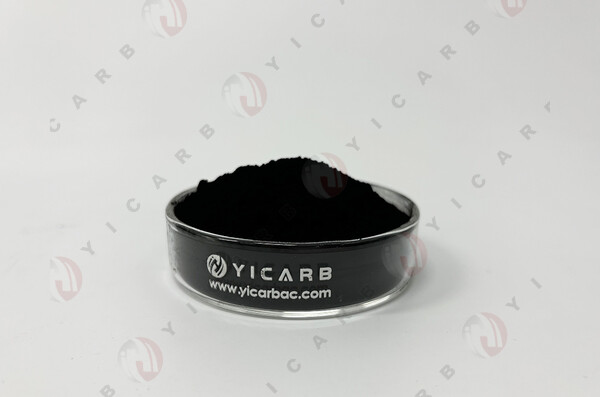
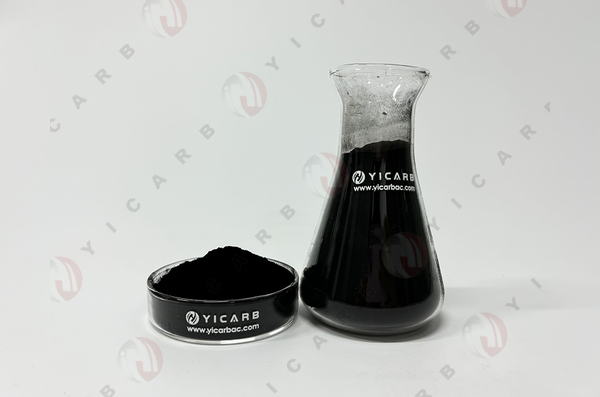
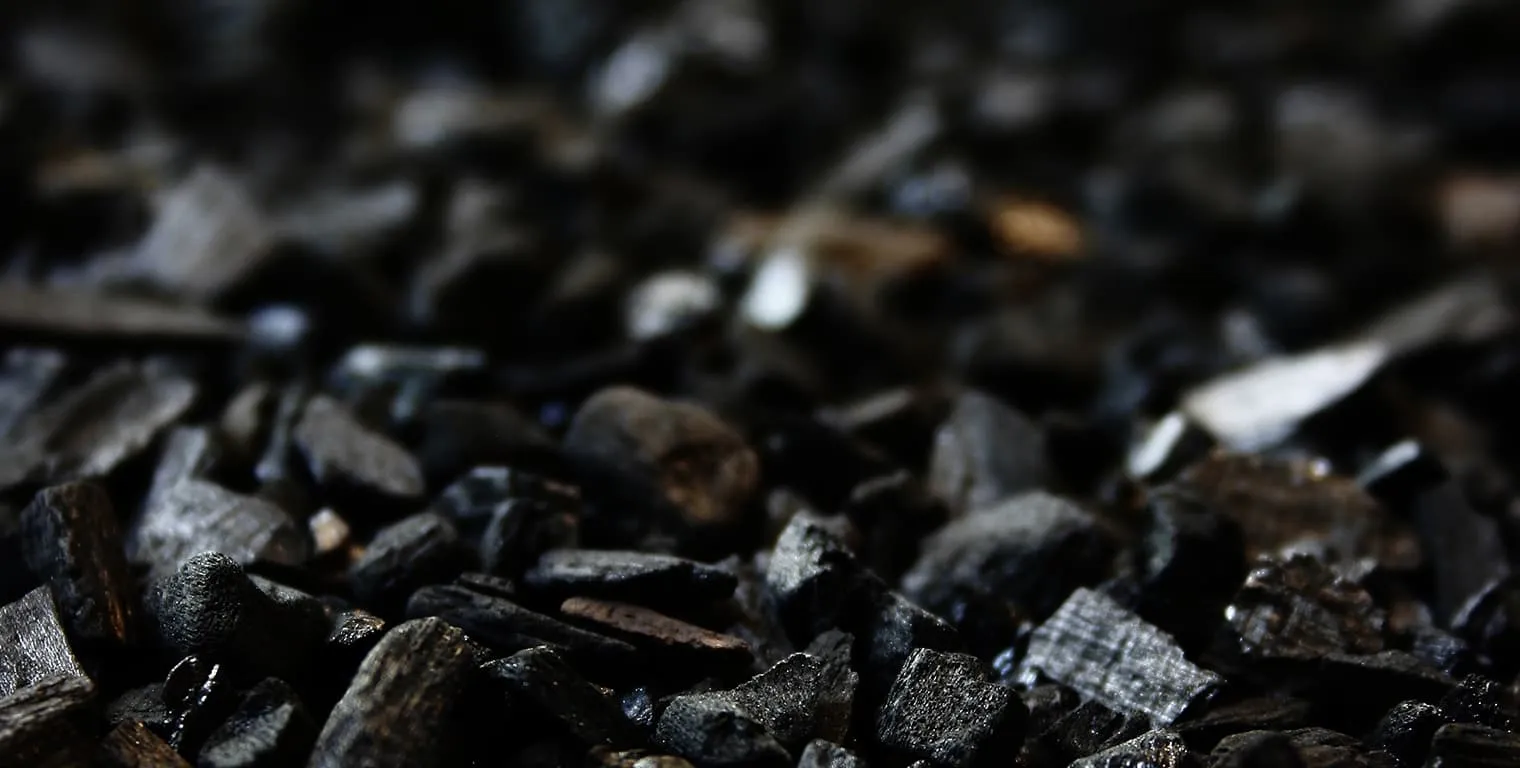
In the modern industrial landscape, high-precision purification is no longer optional—it is a critical driver of regulatory compliance, process efficiency, and product purity. At the center of these purification technologies is activated carbon, a versatile material often described as a "molecular sponge."
Through physical and chemical adsorption (driven by Van der Waals forces), activated carbon targets volatile organic compounds (VOCs), trace organics, odor molecules, and specific heavy metal complexes.
However, maximizing the ROI of a filtration system requires selecting the precise pore structure, raw material precursor, and physical morphology. This guide outlines the typical industrial applications of activated carbon and defines the exact technical specifications required for each.
Water purification is historically the most widespread application of activated carbon. In municipal drinking water plants and industrial wastewater loops, the primary goal is the removal of disinfection byproducts (DBPs), pesticides, herbicides, and chlorine.
Coal-Based Granular Activated Carbon (GAC)
For high-flow water treatment, engineers typically specify coal-based granular activated carbon.
Engineering Advantage: Coal-based precursors provide a balanced pore-size distribution containing both micropores (< 2 nm) and mesopores (2–50 nm). This dual structure is critical for capturing a broad spectrum of molecular weight contaminants.
Mechanical Integrity: Coal GAC features high density and an ASTM D3802 Ball-Pan Hardness of ≥ 95%, minimizing degradation during backwashing and enabling multi-cycle thermal reactivation.
Key Specification: For municipal standards, specify an Iodine Number of ≥ 900–1,000 mg/g (ASTM D4607) and compliance with AWWA (American Water Works Association) B604 standards to prevent trace heavy metal leaching.
In air pollution control and HVAC systems, activated carbon must capture volatile organic compounds (VOCs) and acid gases without introducing excessive backpressure (pressure drop) to the blower fans.
A. Columnar Activated Carbon (Pelletized)
For deep-bed industrial gas scrubbers and solvent recovery systems, extruded Columnar Activated Carbon (typically 3.0mm to 4.0mm pellets) is the engineering standard.
Hydraulic Performance: The cylindrical profile creates a highly permeable filter bed, reducing pump energy consumption compared to irregular granules.
Key Specification: Specify a CTC (Carbon Tetrachloride) Adsorption of ≥ 55%–65% (ASTM D3467) to guarantee high VOC-loading capacity.
B. Activated Carbon Honeycomb
In municipal odor control and high-velocity HVAC systems where installation space is restricted, Activated Carbon Honeycomb blocks are preferred.
Low Wind Resistance: The parallel-channel design allows high flow rates with minimal pressure drop, preventing system stalling.
Key Specification: Ensure the block maintains a bulk density of 0.35-0.45 g/cm³ and a VOC removal efficiency of ≥ 80% under standard face velocities.
In hazardous work environments, personal safety relies on the performance of gas mask canisters. Standard activated carbon cannot physically adsorb highly volatile or low-boiling-point chemical vapors like acid gases, ammonia, or mercury.
Impregnated Personal Protection Carbon
To bridge this gap, columnar or granular carbon is chemically treated (impregnated) to trigger chemisorption (chemical reaction on the pore surface):
Acid Gas Removal (SO₂, H₂S, Cl₂): Impregnated with potassium hydroxide (KOH) or sodium hydroxide (NaOH).
Ammonia Capture: Impregnated with phosphoric acid (H₃PO₄).
Mercury Vapor Abatement: Impregnated with sulfur (S) or iodine (I).
Key Specification: Personal protective carbon must comply with EN 14387 or NIOSH standards and maintain an ASTM Hardness of ≥ 98% to prevent dust generation inside the respirator canister.
In gold mining, activated carbon is the primary vehicle for recovering gold-cyanide complexes from slurry via Carbon-in-Pulp (CIP), Carbon-in-Leach (CIL), and Carbon-in-Column (CIC) processes.
Coconut Shell Granular Carbon
Because these circuits involve continuous, high-shear mechanical agitation of abrasive ore slurries, standard coal or wood-based carbon would quickly disintegrate.
Extreme Hardness: Only coconut shell activated carbon possesses the natural crystalline matrix required to achieve an ASTM Hardness of ≥ 98.5%.
Preventing Gold Loss: Any carbon breakdown (creating "fines") results in immediate gold loss, as the fine carbon bypasses the recovery screens.
Key Specification: Specify a particle size of 6x12 mesh (3.35mm–1.70mm) or 8x16 mesh (2.36mm–1.18mm) with a minimum Gold Adsorption Rate (K-value) of ≥ 25–30 kg/t to ensure fast loading kinetics.
Application | Recommended Carbon Type | Precursor Material | Critical Quality Metric | Compliance Standard |
Drinking Water Polishing | Granular (GAC) | Coconut Shell / Coal | Iodine Number ≥ 1,000 mg/g | AWWA B604, NSF/ANSI 61 |
Industrial VOC Scrubber | Columnar Pellets (4mm) | Coal-Based | CTC Adsorption ≥ 60% | ASTM D3467 |
High-Flow HVAC Filtration | Honeycomb Blocks | Coal / Wood-Based | Bulk Density 0.40 g/cm³ | GB/T 7701.2 |
Gas Mask Respirators | Impregnated Columns | Coal / Coconut Shell | Chemical Loading % (by weight) | EN 14387 / NIOSH |
Gold CIP/CIL Circuits | Granular (8x16 mesh) | Coconut Shell | Ball-Pan Hardness ≥ 98.5% | ASTM D3802 / ASTM D2862 |
The technical success and economic viability of an industrial purification system depend on matching the correct carbon morphology to your target fluid dynamics and chemistry. Specifying raw nameplates like "charcoal" introduces process risks. Engineers must design around quantified parameters—such as Iodine value, CTC, and Ball-Pan hardness.
At YICARB, our quality assurance laboratory tests every batch against ASTM standards, ensuring that whether you install our high-efficiency honeycomb carbon in HVAC systems or our ultra-hard coconut GAC in mining circuits, your system operates at peak design capacity.
Request a Technical Consultation
Contact YICARB’s engineering team today to run an adsorption modeling analysis and select the optimal media specification for your project.
This is the first one.