English
 français
 Deutsch
 Español
 português
 العربية
01
Gold Dissolution
During cyanide leaching, gold is dissolved into the process solution as a soluble gold-cyanide complex.
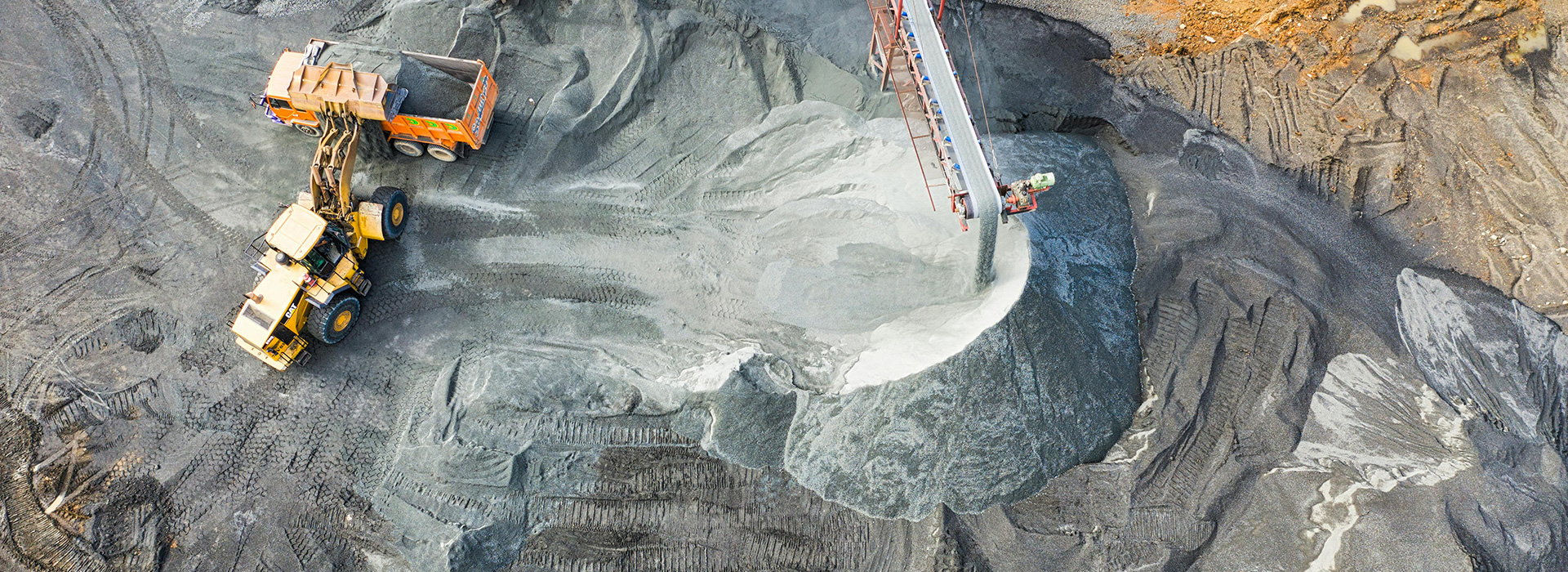
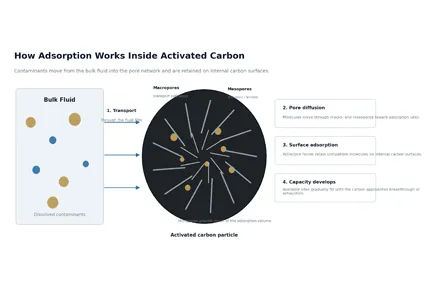
Activated carbon for gold mining is a high-strength granular adsorbent used to recover dissolved gold-cyanide complexes from leach solutions and mineral slurries. During gold adsorption, the gold-bearing liquid contacts the porous carbon, the dissolved gold complex loads onto the carbon surface, and the loaded carbon is then separated for elution, electrowinning and reuse.
Gold mining activated carbon must withstand repeated agitation, pumping, screening, acid washing, elution and thermal regeneration. For this reason, granular coconut shell activated carbon is commonly selected for CIP, CIL and CIC circuits because it combines a developed micropore structure with high mechanical hardness and resistance to attrition. The final grade should be selected using gold-specific adsorption tests and circuit conditions, not water-treatment specifications alone.
Gold recovery with activated carbon can be explained through four connected stages:
During cyanide leaching, gold is dissolved into the process solution as a soluble gold-cyanide complex.
The gold-bearing solution or slurry contacts granular activated carbon. The carbon's pore structure and surface chemistry allow the dissolved gold complex to adsorb and accumulate on the carbon.
Screens retain the larger carbon particles while slurry or solution continues through the circuit. Loaded carbon is transferred to an elution system, where gold is stripped from the carbon for downstream recovery.
After elution, the carbon can be washed and thermally regenerated to restore adsorption performance before it returns to the circuit. Carbon durability is important because fines generated during repeated handling may pass through screens and contribute to gold loss.
In the carbon in pulp process, most of the gold is leached before the slurry enters the carbon adsorption stages. Granular activated carbon is added to the leached pulp in a series of adsorption tanks, where carbon and slurry normally move counter-currently. CIP separates the main leaching and adsorption stages.
In the carbon in leach process, cyanide leaching and carbon adsorption occur in the same series of tanks. Activated carbon is present while gold is being dissolved, allowing adsorption to take place almost simultaneously with leaching. CIL can be considered where ore characteristics or preg-robbing constituents make combined leaching and adsorption advantageous.
In carbon in column systems, clarified gold-bearing solution passes through a series of carbon columns. CIC is commonly associated with heap-leach solutions or other solution streams where carbon contacts liquid rather than an agitated ore slurry. Particle size, hydraulic behavior, column loading and carbon transfer requirements should be evaluated for the specific circuit.
| Comparison Item | Carbon in Pulp (CIP) | Carbon in Leach (CIL) |
|---|---|---|
| Leaching and adsorption | Mainly carried out in separate stages | Combined within the same tank train |
| Carbon addition | Activated carbon is added after most of the gold has been leached | Activated carbon is added during the leaching stage |
| Circuit layout | Leaching tanks are followed by separate carbon adsorption tanks | Leaching and carbon adsorption take place in combined tanks |
| Typical carbon selection focus | Gold adsorption kinetics, loading capacity, screen retention and carbon transfer | Gold adsorption performance, attrition resistance and stability during extended slurry contact and agitation |
| Process selection | Commonly selected according to ore leaching behavior and plant configuration | Often evaluated for preg-robbing ores or integrated leaching and adsorption circuit designs |
The choice between CIL and CIP is primarily a metallurgical process decision. The activated carbon should then be matched to the selected circuit through gold adsorption, attrition resistance, particle-size distribution, screening performance and regeneration testing.
Granular coconut shell activated carbon is widely evaluated for gold recovery because its raw material structure can provide the combination of adsorption activity and physical durability required in mining circuits.
The carbon must resist breakdown during agitation, pumping, screening, acid washing and regeneration.
Reducing fines helps limit carbon loss through interstage screens and reduces the risk of loaded fine carbon reporting to tailings.
Uniform granules support screen retention, predictable carbon movement and consistent contact in CIP, CIL and CIC equipment.
A suitable pore structure and accessible adsorption surface support the uptake of dissolved gold-cyanide complexes and help maintain effective adsorption performance in CIP, CIL and CIC circuits.
Mining carbon should maintain practical adsorption and physical properties over repeated operating cycles, subject to circuit conditions and regeneration control.
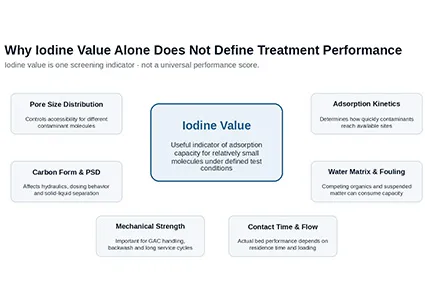
Iodine number is a general indicator of micropore development and activated carbon activity. A high iodine value activated carbon may provide strong overall adsorption potential, but iodine number does not directly predict gold recovery performance on its own.
Two activated carbons with a similar iodine number can still differ in gold adsorption rate, equilibrium loading, hardness, attrition loss, particle shape, ash content, fouling behavior, elution efficiency and performance after regeneration. For gold mining procurement, iodine number should therefore be reviewed together with gold-specific adsorption test results and physical quality parameters.
YICARB can provide iodine number as part of the product specification, but the final grade should be validated against the customer's CIP, CIL or CIC operating requirements.
Buyers should compare gold mining activated carbon using a combination of adsorption and physical performance data:
Gold adsorption rate: Indicates how quickly the carbon removes dissolved gold from solution.
Gold loading capacity: Evaluates the quantity of gold the carbon can retain under defined test conditions.
Hardness and attrition resistance: Helps predict carbon breakdown during circuit handling and regeneration.
Particle size distribution: Must match interstage screens, carbon transfer equipment and hydraulic conditions.
Platelets, undersize and dust: Excess fine or flat particles may affect screening and carbon losses.
Iodine number: Useful as a general activity indicator, but not a substitute for gold-specific testing.
Ash and mineral impurities: Can affect purity, fouling and downstream processing.
Moisture and apparent density: Important for shipment, dosing, carbon inventory and volume calculations.
Elution and regeneration behavior: The carbon should release loaded gold efficiently and retain useful performance after regeneration.
All test methods, acceptance limits and guaranteed values should be stated in the product specification or certificate of analysis.
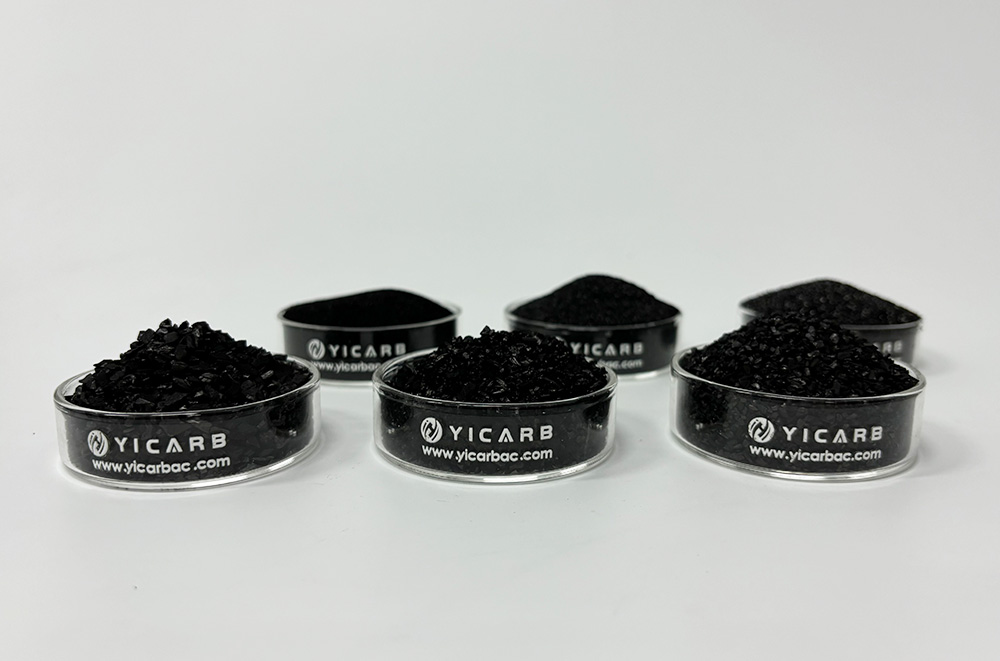
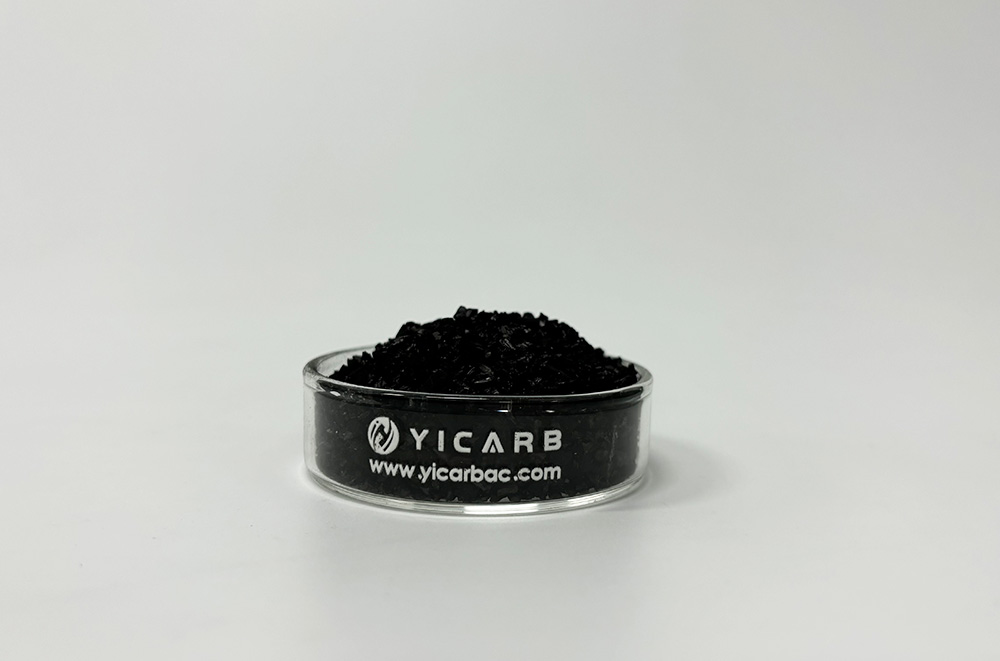
YICARB's standard granular coconut shell activated carbon can be configured for CIP, CIL and CIC gold recovery applications where high hardness, controlled particle size and strong adsorption activity are required.
Coconut Shell Based Granular Activated CarbonThe acid-washed grade can be evaluated where lower ash, reduced soluble impurities or additional carbon cleanliness is required. The appropriate acid-washed specification should be selected according to the circuit chemistry and customer test method.
Acid Washed Coconut Shell Based Granular Activated CarbonThe most suitable activated carbon grade depends on the complete gold recovery circuit rather than one isolated laboratory value. Selection should consider:
Process route: CIP, CIL, CIC or another adsorption configuration
Feed type: agitated slurry, clarified solution or heap-leach liquor
Ore behavior: leach kinetics, preg-robbing tendency and competing organic matter
Interstage screen aperture and preferred carbon particle size
Target adsorption rate, loading capacity and soluble gold loss
Carbon transfer frequency, agitation intensity and expected attrition
Acid washing, elution and regeneration conditions
Carbon inventory, makeup rate and current carbon loss
Required iodine number, hardness, ash, moisture and apparent density
Packaging, annual consumption and delivery schedule

YICARB produces coconut shell granular activated carbon for gold recovery with controlled raw material selection, activation, polishing, particle screening and final quality inspection. As a granular activated carbon manufacturer, we can evaluate grades for CIP, CIL and CIC circuits according to the customer's adsorption targets, screen size and operating conditions.
Key manufacturing and supply advantages include:
• Selected coconut shell raw materials with consistent carbon structure
• High hardness and attrition resistance for demanding slurry circuits
• Controlled particle size distribution and reduced surface dust
• High activity grades for rapid gold adsorption and practical loading
• Standard and acid-washed coconut shell options
• Customized mesh size and specification ranges subject to validation
• Batch documentation and pre-shipment quality inspection
• Experience supplying activated carbon for gold extraction projects
Product suitability should be confirmed through representative solution or plant testing before full-scale use.
It is a high-strength granular adsorbent used to recover dissolved gold-cyanide complexes from leach solution or slurry. Gold mining activated carbon is selected for adsorption performance, hardness, attrition resistance, particle size, low fines generation and repeated elution and regeneration.
In the carbon in pulp process, gold is first leached from finely ground ore. Granular activated carbon is then contacted with the leached slurry in adsorption tanks, where it loads dissolved gold before being screened from the pulp and transferred for elution.
Carbon in leach combines cyanide leaching and activated carbon adsorption in the same tank train. Carbon is present while gold dissolves, so leaching and adsorption occur at approximately the same time.
CIP mainly separates leaching from carbon adsorption, while CIL combines both operations in the same tanks. The choice depends on ore behavior and plant design; the activated carbon grade should then be validated for adsorption, attrition and screening performance in the selected circuit.
Carbon in column is a gold recovery method in which clarified gold-bearing solution passes through a series of granular activated carbon columns. It is commonly used for heap-leach or other solution streams rather than highly agitated ore slurry.
No. Iodine number is a useful general activity indicator, but gold recovery also depends on gold adsorption rate and capacity, hardness, attrition, particle size distribution, fines, ash, elution and regeneration performance.
Gold CIP and CIL circuits generally use screened granular coconut shell activated carbon because the carbon must move through slurry tanks and be retained by interstage screens. Pelletized charcoal should not be substituted unless its particle form, strength, adsorption and equipment compatibility have been specifically validated.
Not necessarily. Both may be granular activated carbon, but gold mining grades require gold-specific adsorption, attrition, screening and regeneration performance. A water-treatment grade should not be used in a gold circuit without appropriate testing.