English
 français
 Deutsch
 Español
 português
 العربية
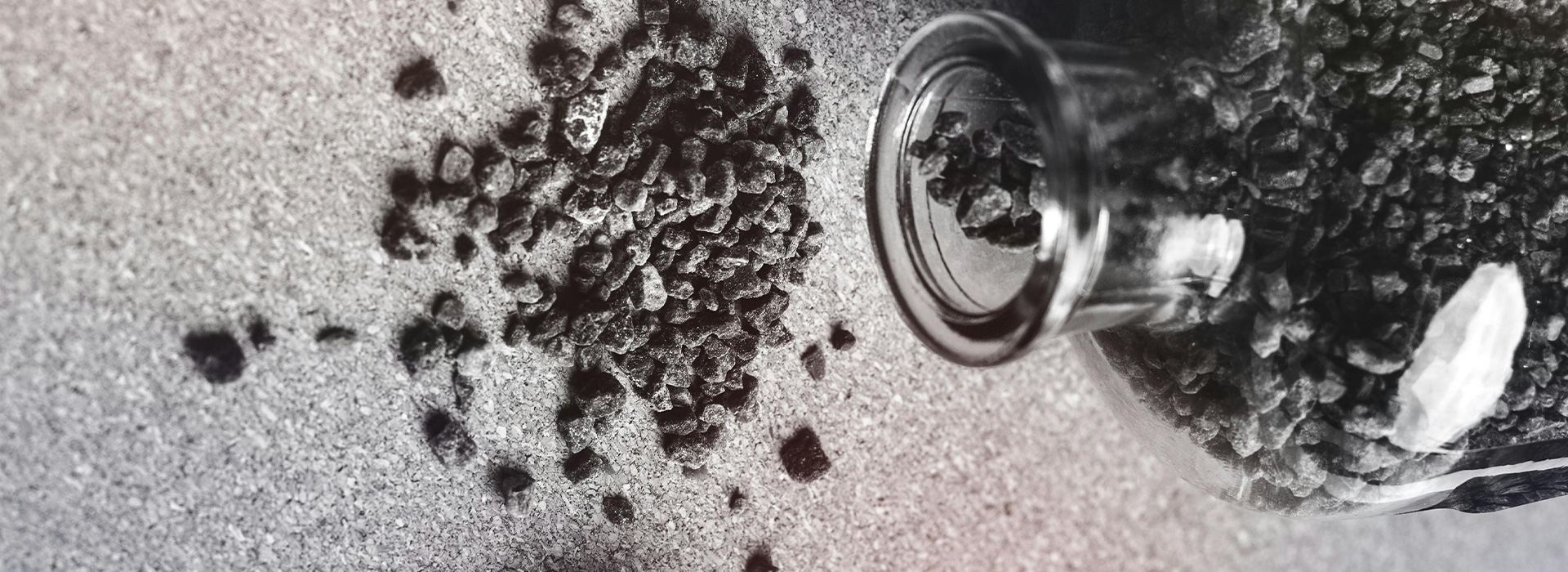
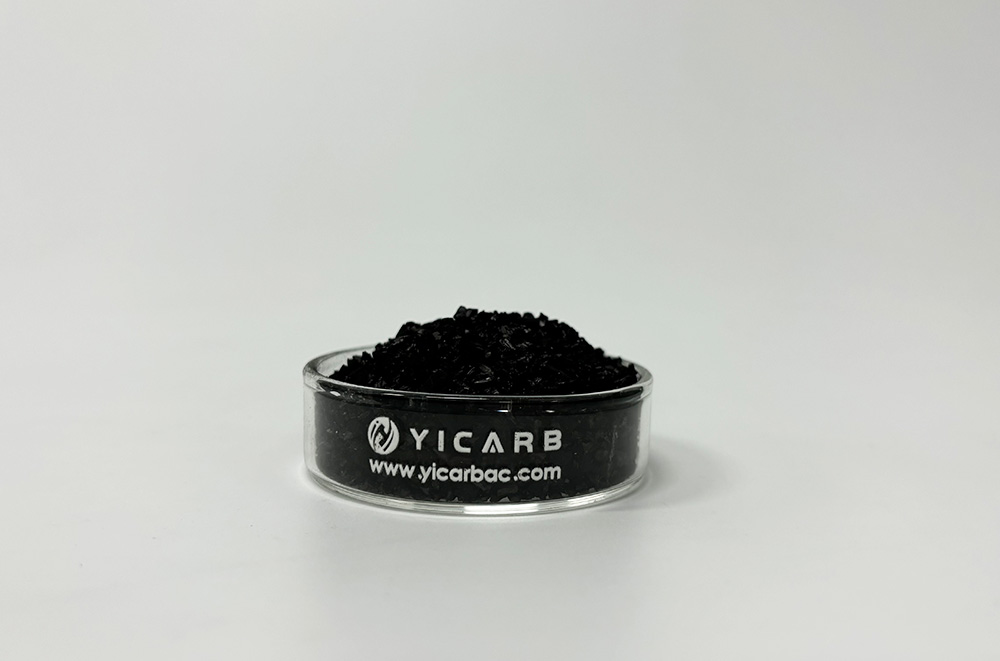
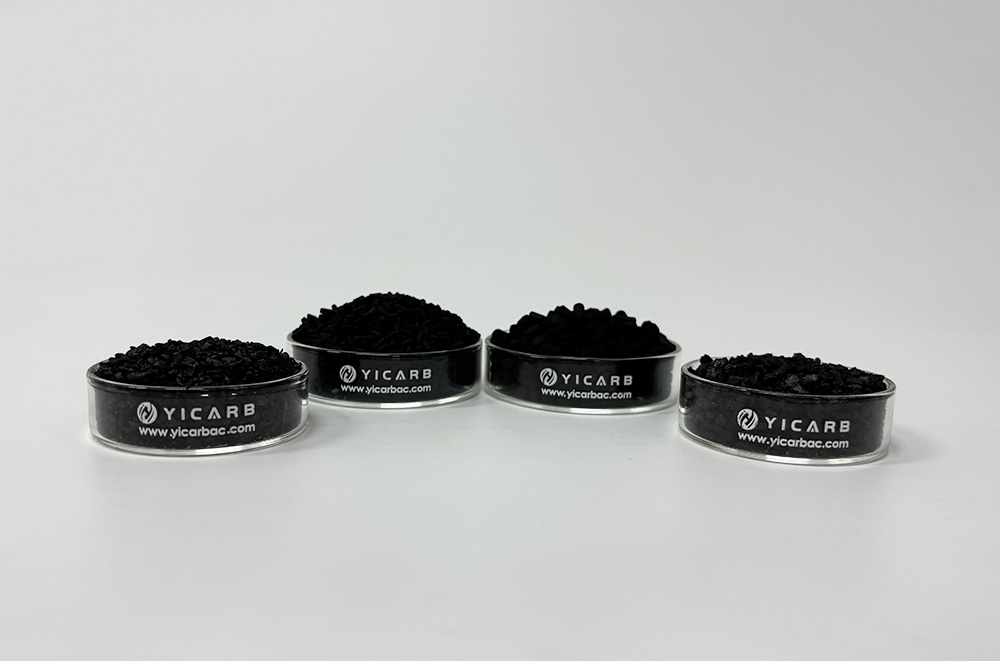
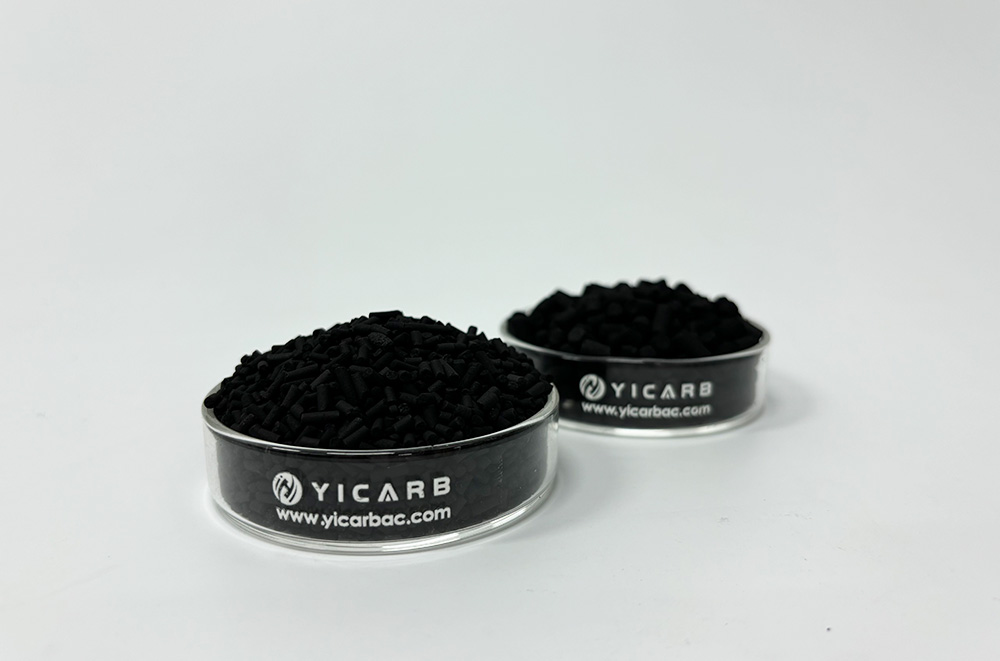
Activated Carbon for Catalyst Carrier is referred to as catalyst carrier activated carbon.
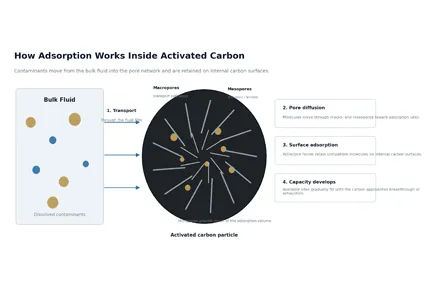
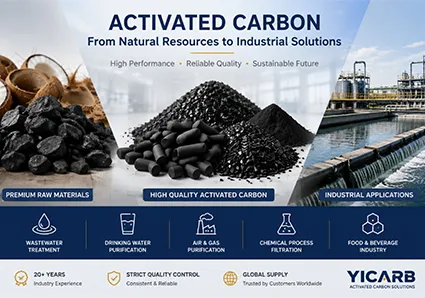
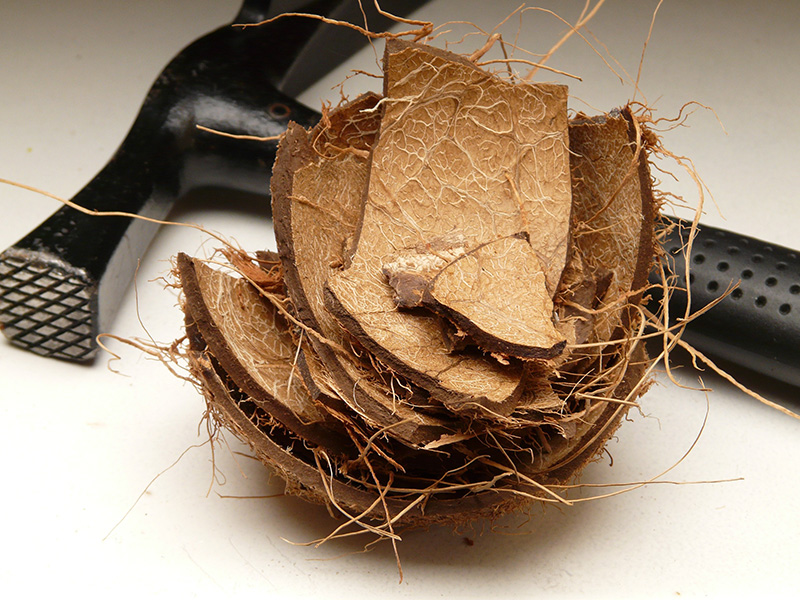
Activated carbon catalyst support can be made from a variety of carbonaceous materials, including wood, sawdust, coal, coke, peat, lignin, pits, crusts, sucrose pulp, bones, lignite, petroleum residues, etc. Among them, coal and coconut shell has become the most commonly used raw materials for the manufacture of Activated Carbon For Catalyst Carrier. Carbon catalyst support is an excellent adsorbent with developed internal pore structure and large specific surface area.
YICARB activated carbon for catalyst support has developed pores, large specific surface area and good thermal stability. It is an excellent catalyst carrier. The catalyst can be supported by immersing the activated carbon in an aqueous solution of metal salts. In order to uniformly disperse the surface oxidized activated carbon, its performance as a carrier is determined by pore structure and surface chemical structure. YICARB Activated Carbon For Catalyst Carrier has been widely used in industrial wastewater, waste gas and air purification equipment, as well as in the organic synthesis, food and pharmaceutical industries, and also in the military and high-tech industries.
APPLICATION:
Waste Gas Treatment
Industrial and Domestic Water Treatment
Solvent & Gold or Other Mentals Recovery
Toxic Gas Purification
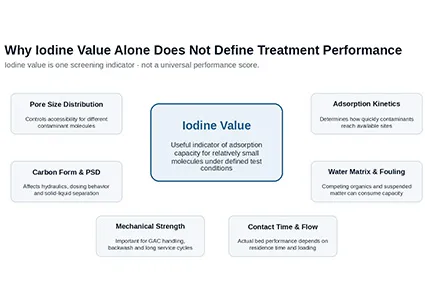
Optimized pore structure: Well‑developed micro‑ and mesopores that can be tailored to match specific reaction kinetics and molecule sizes, ensuring efficient diffusion and contact between reactants and active sites in both standard and impregnated charcoal grades.
High adsorption capacity: Large specific surface area and suitable pore size distribution provide strong adsorption for both gases and liquids, improving reactant concentration near the catalyst and enhancing overall reaction rates.
Excellent mechanical strength: High hardness, low dust generation, and strong abrasion resistance minimize carbon fines, reduce pressure drop changes, and ensure stable performance in fixed‑bed and moving‑bed reactors.
Thermal and chemical stability: Resistant to thermal shock and many chemical environments, allowing operation under a wide range of temperatures and process conditions without rapid degradation.
Easy regeneration: Adsorbed species can typically be removed by thermal, steam, or chemical regeneration, restoring adsorption and catalytic performance and reducing operating costs.
Long service life: Robust structure, low attrition loss, and repeatable regeneration cycles provide long bed life and reliable performance in continuous and cyclic processes.
Flexible shaping: Available in granular, pellet, and extruded forms to suit different reactor designs, pressure drop requirements, and handling methods.
Customizable surface chemistry: Surface functional groups and impregnation with metals or promoters can be adjusted to meet specific catalytic or adsorption requirements for different processes.