English
 français
 Deutsch
 Español
 português
 العربية
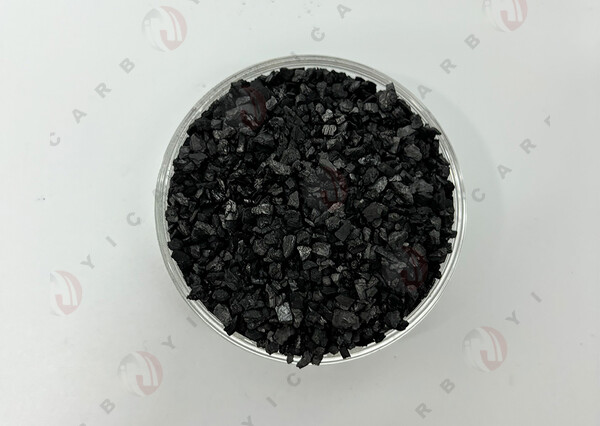
Wood based activated carbon is a highly effective material with a range of applications, particularly in industries that require high-quality purification processes. One of the sectors where Wood based activated carbon plays a vital role is the pharmaceutical industry. It is widely used in various stages of drug production, including purification, decolorization, and contaminant removal.
Wood based activated carbon is used extensively in the pharmaceutical industry due to its excellent adsorption capacity and selective adsorption properties. The porous structure of wood based activated carbon provides a large surface area, which allows it to adsorb a wide range of impurities, including organic compounds, solvents, and other contaminants that might be present during the drug manufacturing process.
In the pharmaceutical industry, ensuring the purity of active pharmaceutical ingredients (APIs) is crucial. During the synthesis of APIs, various by-products and impurities may form that need to be removed to meet the stringent safety and quality standards. Wood based activated carbon is often used in the purification process to remove these undesirable compounds, ensuring that the final product is both effective and safe for consumption. It helps eliminate residual solvents, colors, and other unwanted materials that might affect the quality or safety of the drugs.
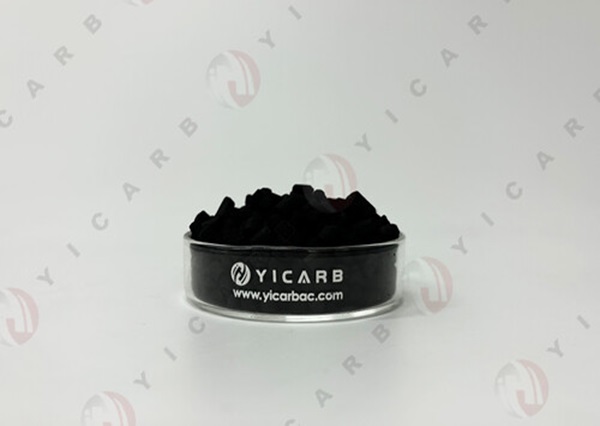
One of the most important functions of Wood based activated carbon in the pharmaceutical industry is its ability to decolorize raw materials during the production of pharmaceutical drugs. Many pharmaceutical products, especially liquids and suspensions, require precise color control for both aesthetic and regulatory reasons.
Raw materials such as solvents, sugars, and other organic compounds often contain impurities that result in unwanted coloration. Wood based activated carbon is highly effective in removing these colorants by adsorbing them into its porous structure. As a result, it helps manufacturers achieve the desired color of the final pharmaceutical product while maintaining its purity. This is especially important in liquid formulations such as syrups, injectables, and some oral solutions, where appearance and clarity are critical factors for consumer trust and regulatory approval.
Ensuring the safety of pharmaceutical products is a top priority in the industry, and Wood based activated carbon plays an essential role in minimizing contamination risks during drug production. The material's high surface area and porous structure enable it to remove a wide variety of organic and inorganic contaminants, such as pesticides, heavy metals, and residual solvents, which may be present in the raw ingredients or during the manufacturing process.
Moreover, Wood based activated carbon is often used in the filtration systems of pharmaceutical manufacturing facilities to maintain air and water quality. The material helps in the removal of volatile organic compounds (VOCs), odors, and other pollutants, ensuring that the production environment remains clean and contaminant-free. In some industrial facilities, this technology is as essential as activated carbon flue gas treatment in maintaining overall environmental compliance.
Water is a critical component in the pharmaceutical industry, especially in the production of parenteral drugs, injectables, and oral solutions. The quality of water used in drug manufacturing must meet stringent standards to ensure that it is free from contaminants that could compromise the safety and efficacy of the final product. Wood based activated carbon plays a crucial role in water purification processes in pharmaceutical production facilities.
Wood based activated carbon is used in water treatment systems to remove impurities such as chlorine, chloramine, and organic compounds, which could interfere with drug formulations or affect the taste and odor of pharmaceutical products. It is especially useful in systems designed to purify water for injection (WFI), where the highest levels of purity are required. By efficiently removing these contaminants, Wood based activated carbon ensures that the water used in the production of pharmaceutical products is of the highest quality, preventing any adverse effects on the final product.
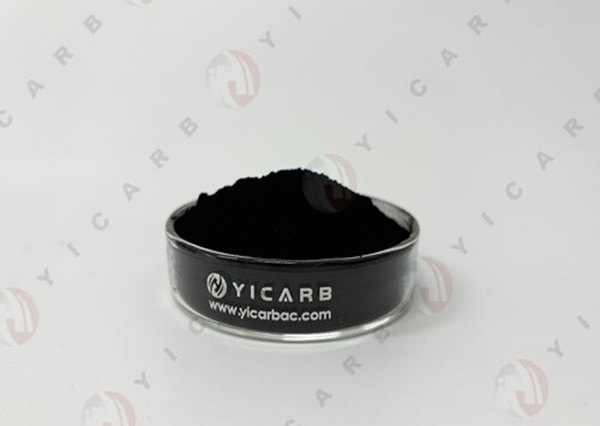
In addition to its effectiveness in pharmaceutical manufacturing, Wood based activated carbon offers environmental benefits that align with the growing demand for sustainable practices in the industry. As a renewable resource, Wood based activated carbon is an environmentally friendly alternative to other filtration materials that may rely on non-renewable resources.
Moreover, Wood based activated carbon can be regenerated and reused multiple times, reducing the need for constant replacement and minimizing waste. Regeneration processes typically involve heating the carbon at high temperatures to release the adsorbed contaminants, allowing the carbon to be reused in the filtration process. This regeneration process contributes to a more sustainable approach to filtration in pharmaceutical manufacturing, as it reduces both material waste and the need for fresh carbon.
Wood based activated carbon plays a vital role in ensuring the safety, purity, and quality of pharmaceutical products. From the purification of raw materials to decolorization, contaminant removal, and water treatment, this versatile material supports critical processes in drug manufacturing. Similar to the application of activated carbon in food industry, its ability to adsorb a wide range of impurities ensures that final products meet the highest standards of quality and safety. As the pharmaceutical industry continues to prioritize safety and quality, the role of Wood based activated carbon in maintaining these standards will remain indispensable.