English
 français
 Deutsch
 Español
 português
 العربية
Water treatment is a critical process that ensures the delivery of clean, safe, and potable water to both households and industries. One of the most effective methods used in water filtration and purification is the use of coal based granular activated carbon. This form of activated carbon plays a pivotal role in removing a wide range of contaminants, improving water quality, and making water safe for consumption and use in various applications. In this article, we will explore the key role of coal based granular activated carbon in water treatment, its unique features, and the benefits it offers in ensuring water safety and purity.
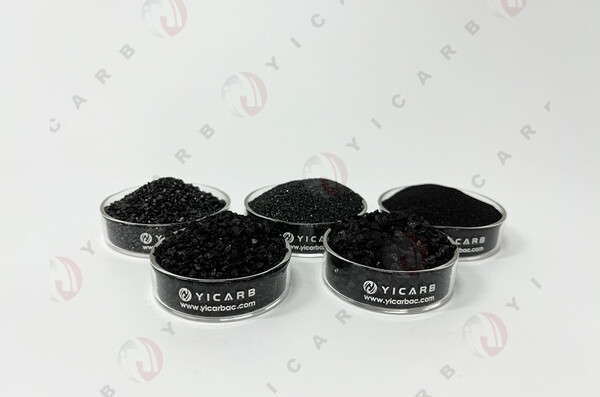
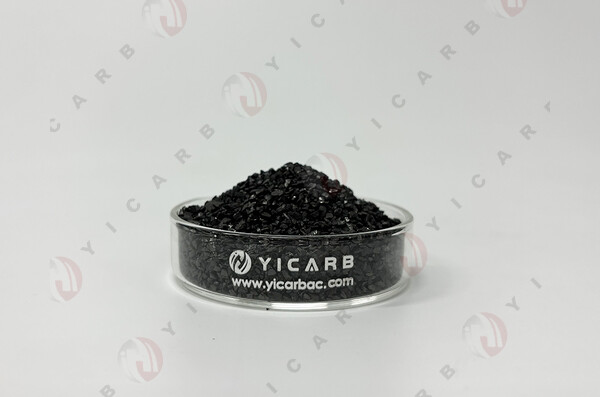
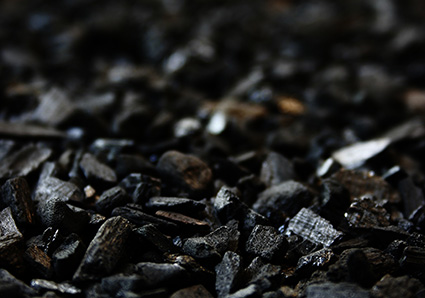
Coal based granular activated carbon is derived from bituminous coal, a type of coal known for its high carbon content and strong adsorptive properties. It is specifically processed to create a highly porous structure that allows it to adsorb and trap impurities from water effectively. The process of adsorption is central to how activated carbon works: contaminants in water are attracted and trapped on the surface of the carbon particles, preventing them from passing through the filtration system.
The unique structure of coal based granular activated carbon makes it an ideal choice for water treatment. It has a large surface area with millions of tiny pores, which allows it to adsorb a wide range of substances, such as chlorine, organic compounds, pesticides, volatile organic compounds (VOCs), and even heavy metals like mercury and lead. This is why it is widely used in both municipal water treatment plants and industrial filtration systems. Whether the water source is from rivers, lakes, or underground wells, coal based granular activated carbon is highly effective in removing contaminants, improving taste, odor, and overall water quality.
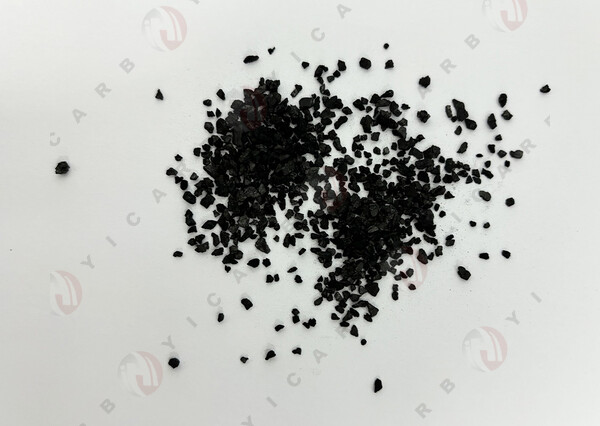
The effectiveness of coal based granular activated carbon in water treatment can be attributed to its high adsorption capacity. Activated carbon has the ability to adsorb a wide variety of chemical compounds, particularly organic molecules. When water passes through a filter containing coal based granular activated carbon, contaminants are drawn to the surface of the carbon particles and are trapped within the tiny pores of the material. This process is highly effective in removing chlorine, chloramines, and other disinfection by-products, which can affect the taste and odor of water.
The adsorption process is highly selective, meaning that coal based granular activated carbon can remove specific contaminants while leaving other substances, such as essential minerals, unaffected. This makes it an excellent choice for water purification, as it improves the water’s taste and smell without removing beneficial elements like calcium and magnesium that are essential for health. Additionally, coal based granular activated carbon is effective in removing pesticides, herbicides, and other harmful chemicals that may be present in water sources due to agricultural runoff or industrial waste. In industrial emission controls, similar adsorption principles are applied in activated carbon flue gas treatment to capture airborne pollutants effectively.
The use of coal based granular activated carbon in water treatment offers several distinct advantages. One of the most significant benefits is its high capacity for contaminant removal, which allows for cleaner, safer water with improved taste and odor. This makes it particularly useful for both household water filtration systems and large-scale water treatment plants. The large surface area and porous nature of coal based granular activated carbon make it highly efficient at removing both large and small particles from water, including dissolved organic compounds and chlorine by-products.
Another advantage of coal based granular activated carbon is its versatility in various water treatment applications. It can be used in a range of systems, from small home water filters to large municipal water treatment plants. It is also used in industries such as food and beverage, pharmaceuticals, and chemical manufacturing, where high-quality water is critical for production processes. In these industries, the application of activated carbon in food industry standards is often cited as a benchmark for decolorization, deionization, and purification, helping to ensure that water meets strict quality standards.
Furthermore, coal based granular activated carbon is environmentally friendly. Unlike chemical treatments, which can introduce harmful residues into the environment, activated carbon is a natural filtration material that works purely through physical processes. It can be safely disposed of or regenerated for reuse, reducing waste and promoting sustainability.
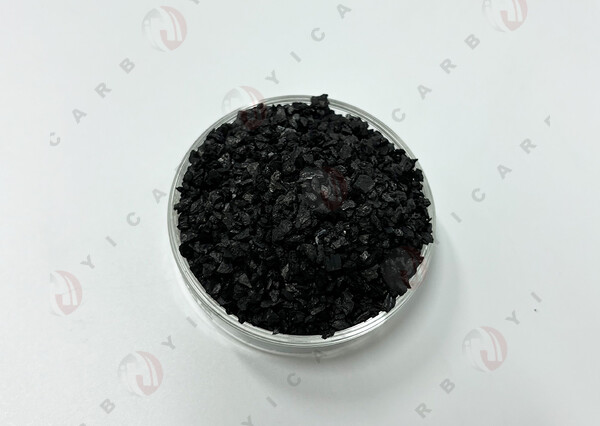
One of the notable features of coal based granular activated carbon is its ability to be regenerated and reused. Over time, the carbon particles become saturated with contaminants and lose their effectiveness. However, unlike many other filtration media, coal based granular activated carbon can be regenerated to restore its adsorptive properties. Regeneration typically involves heating the carbon to a high temperature in an inert environment, which releases the trapped contaminants and reactivates the carbon, allowing it to be used again.
The ability to regenerate activated carbon makes it a cost-effective solution for long-term water treatment needs. In industrial applications where large volumes of water need to be treated continuously, regeneration can reduce the need for constant replacement of carbon, lowering operational costs and minimizing waste. Additionally, regenerating coal based granular activated carbon helps to maximize its efficiency and ensures that it can continue to meet the high standards required in water purification systems.
Safe drinking water is essential for health and well-being, and the use of coal based granular activated carbon in water treatment ensures that water is free from harmful contaminants. Chlorine and other disinfectants used in water treatment can impart an unpleasant taste and odor to drinking water, and coal based granular activated carbon is effective at removing these chemicals, improving both the taste and smell of the water. Additionally, this form of activated carbon is highly effective in removing volatile organic compounds (VOCs), pesticides, and industrial chemicals that may pose a risk to human health.
In regions where water contamination is a concern, coal based granular activated carbon serves as a critical filtration solution for household water filters and municipal treatment plants. By removing harmful chemicals, heavy metals, and other pollutants, it ensures that drinking water meets safety standards and provides a better quality of life for consumers.
Coal based granular activated carbon plays a crucial role in water treatment by efficiently removing a wide range of contaminants, improving water quality, and ensuring safe drinking water. Its high adsorptive capacity, versatility, and environmental benefits make it an ideal choice for water purification applications in both industrial and household settings. Whether it's improving the taste and odor of drinking water or removing harmful chemicals from industrial processes, coal based granular activated carbon continues to be a key player in water treatment systems worldwide. By understanding how it works and its advantages, we can appreciate its importance in ensuring clean, safe, and sustainable water for all.