English
 français
 Deutsch
 Español
 português
 العربية
Activated carbon is a specially treated carbon material that has an extremely high specific surface area and a rich network of micropores. It is commonly used as an adsorbent to remove pollutants from air, water, and various industrial fluids. Today, activated carbon is widely used in household water purifiers, air purifiers, industrial wastewater treatment, and exhaust gas purification systems, making it a common material in modern environmental engineering and everyday health-related products. This article will provide a systematic overview of activated carbon, including its structure, raw material sources, main physical forms, preparation process, adsorption mechanism, typical applications, filter structure, advantages, limitations, and selection recommendations.
Activated carbon is a porous carbonaceous material. Through an "activation" process, the original carbon material—such as charcoal, coconut shell charcoal, or coal-based charcoal—develops a large number of micropores, giving it an extremely high specific surface area. One gram of high-quality activated carbon can have a specific surface area of over 1000 m², roughly equivalent to the surface area of a tennis court compressed into a small amount of powder.
It is precisely this huge specific surface area and well-developed pore system that allows activated carbon to adsorb a large number of molecules, such as organic matter, pigments, and odor-causing compounds in water, as well as volatile organic compounds (VOCs), smoke, and odors in the air.
The core structure of high quality activated carbon is a "pore-surface" system. It is not a solid piece of carbon, but a three-dimensional network composed of numerous micropores, mesopores, and a small number of macropores.
Micropores: Pore diameter is generally less than 2 nanometers. They are the main contributors to the adsorption capacity of activated carbon, primarily capturing small-molecule pollutants such as organic solvents and some odor-causing compounds.
Mesopores: Pore diameter is approximately 2–50 nanometers. They facilitate the entry of larger molecules or liquids, aid diffusion and transport, and help improve adsorption efficiency.
Macropores: Pore diameter is greater than 50 nanometers. They mainly act as "channels," allowing pollutant molecules to penetrate quickly into the internal micropores and mesopores.
This hierarchical porous structure acts like a "microscopic maze," where pollutant molecules, once inside, are easily adsorbed by van der Waals forces on the surface, thus achieving adsorption and separation.
Activated carbon can be made from a variety of raw materials, which are broadly categorized into three main sources: fruit shells, coal, and wood.
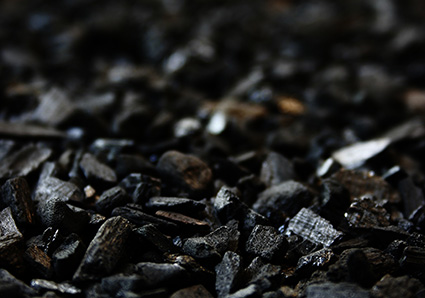
Coconut-shell activated carbon: Made from coconut shells through carbonization and activation, it typically has a high proportion of micropores, making it suitable for adsorbing small organic molecules. Acid washed coconut shell activated carbon is widely used in drinking water treatment and high-end water purifiers.
Coal-based activated carbon: Made from anthracite or lignite, it has high mechanical strength and relatively low cost, making it suitable for industrial water treatment, flue gas purification, and systems with large flow rates.
Wood/bamboo activated carbon: Made from plant materials such as wood, bamboo, and sawdust, it has a rich pore structure and is well suited for adsorbing large molecules such as dyes and pigments. It is commonly used in industrial wastewater treatment and decolorization.
In addition, agricultural byproducts such as walnut shells, olive pits, and rice husks can also be used as raw materials for activated carbon, combining environmental protection with the value of resource recycling.
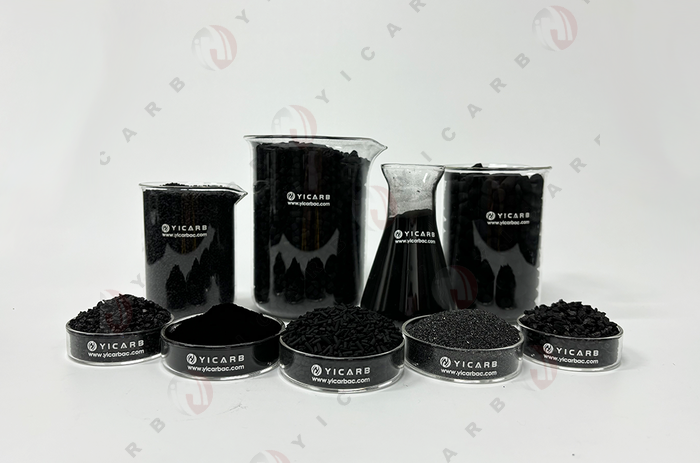
Based on their physical form and application, activated carbon can be divided into several common forms, each with its own advantages, disadvantages, and typical uses.
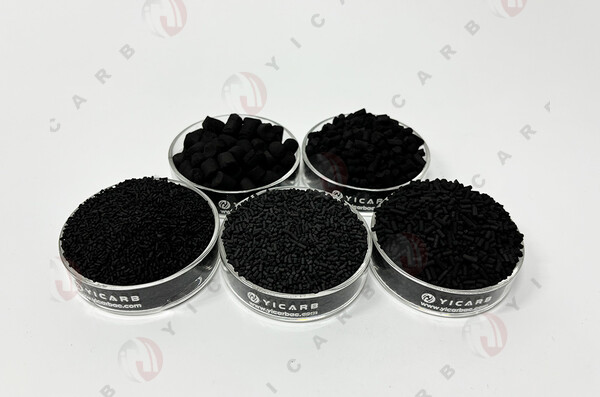
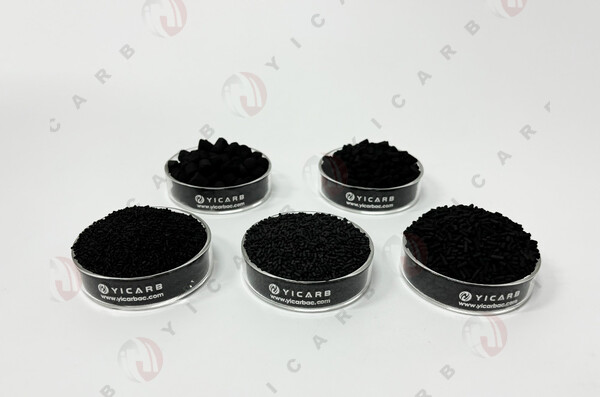
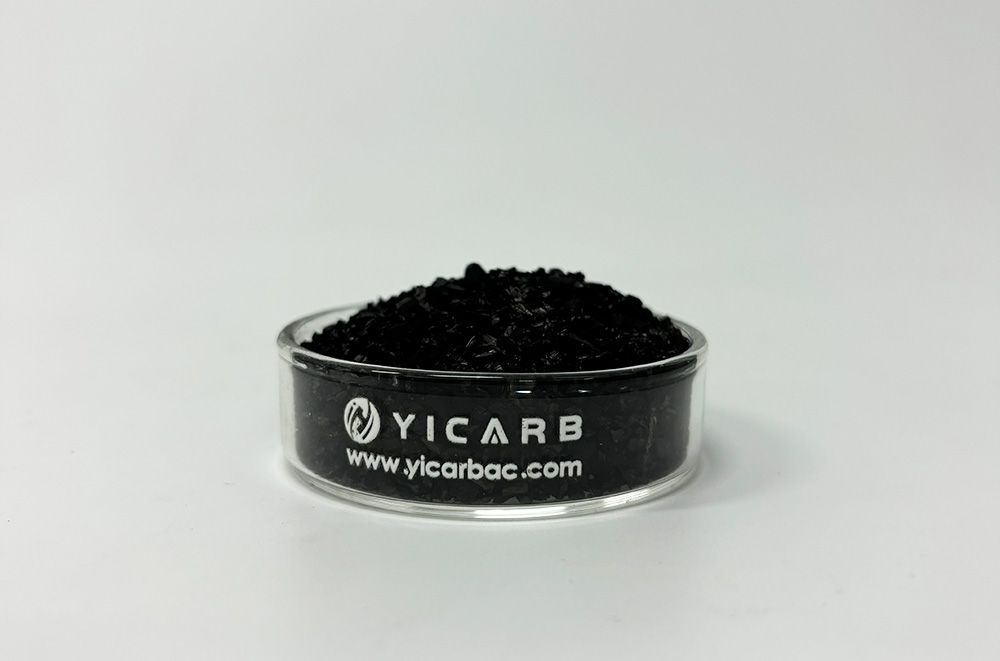
Granular activated carbon (GAC) consists of granules with a particle size typically between 0.4 and 4 mm, usually appearing as irregular black granules. It offers low pressure drop and moderate filtration speed, making it suitable for continuous‑flow water or gas treatment systems, such as household water purifiers, industrial water treatment units, and exhaust gas purification towers. A common variant is coal based granular activated carbon, which is widely used in industrial applications due to its high mechanical strength, relatively low cost, and good performance in treating large volumes of contaminated water or flue gas.
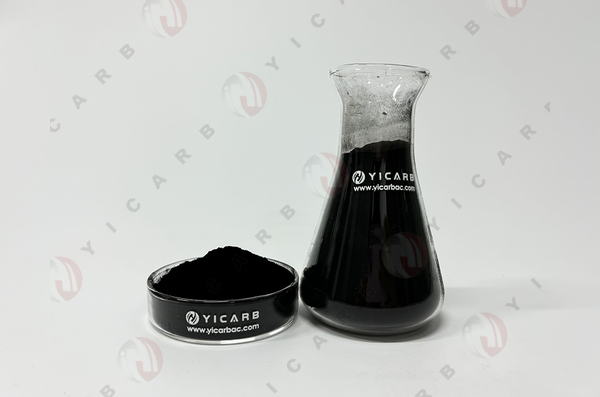
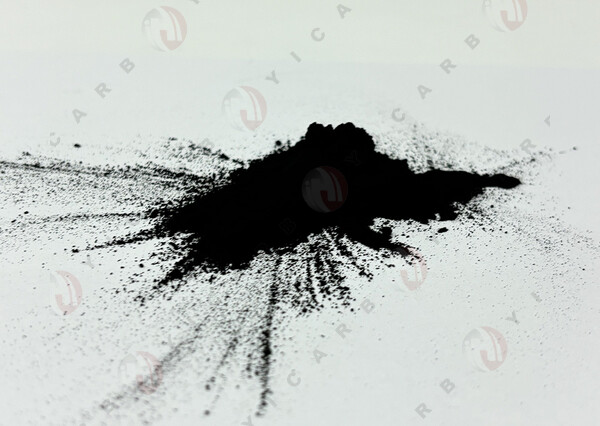
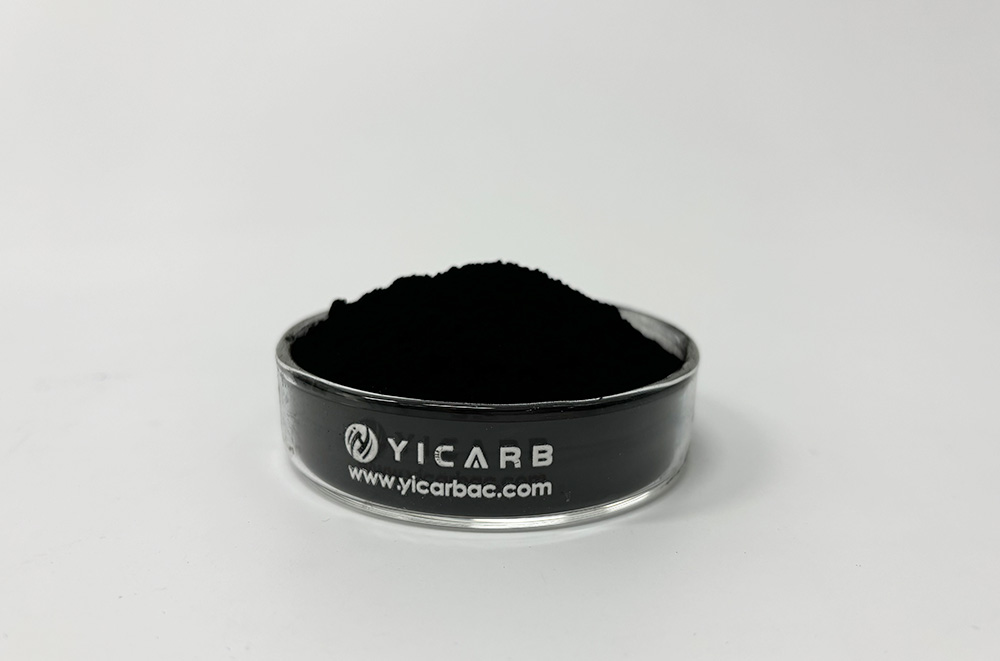
PAC is a fine powder with an extremely small particle size, typically less than 0.18 mm. It has a large contact area in liquids, enabling rapid adsorption of pollutants. It is commonly used for emergency treatment of sudden pollution incidents (such as water odor or dye leaks) or as a “dosing” agent in water treatment plants, often combined with other treatment processes. A widely used form is coal based powdered activated carbon, which is preferred in many industrial and municipal systems due to its high adsorption capacity, relatively low cost, and compatibility with large‑scale batch treatment applications.
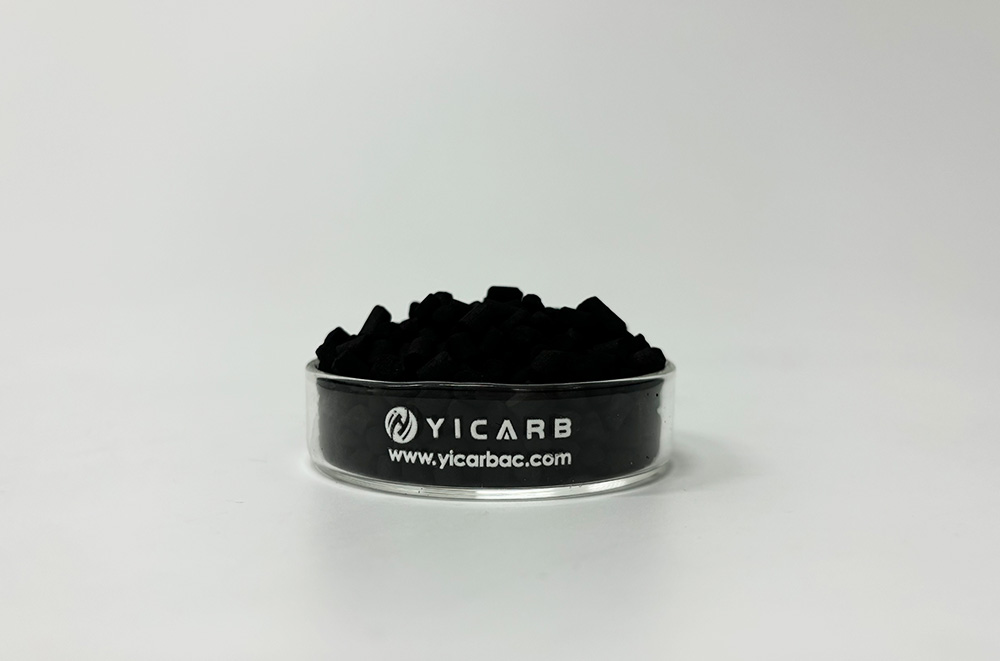
Activated carbon granules can also be extruded into "strip-shaped" or small pellet-like forms. This type has higher mechanical strength, is less prone to breakage, and has a lower pressure drop, making it suitable for systems that require stable airflow and long-term operation, such as industrial waste gas treatment and indoor air purification equipment.
Activated carbon can also be made into cloth or fiber form, known as activated carbon cloth or activated carbon fiber. This form is flexible and soft, making it suitable for protective masks, gas masks, and special filters. It can simultaneously adsorb gas molecules and some particulate matter, and is commonly used in medical, personal protective, and specialized environmental engineering applications.
Catalytic activated carbon is a functional material made by loading catalysts—such as metals or metal oxides—onto the surface of activated carbon. It not only adsorbs pollutants but also catalyzes their decomposition or oxidation on its surface. It is commonly used for odor control, removal of sulfur- and nitrogen-containing pollutants, and the deep treatment of certain recalcitrant organic compounds.
Based on ordinary activated carbon, specific chemical substances can be introduced into the pores through an "impregnation" process to create "impregnated activated carbon," which is designed to remove specific types of pollutants.
Acid-impregnated activated carbon: Typically impregnated with acidic substances such as phosphoric acid or sulfuric acid, it is used to adsorb alkaline gases such as ammonia and organic amines.
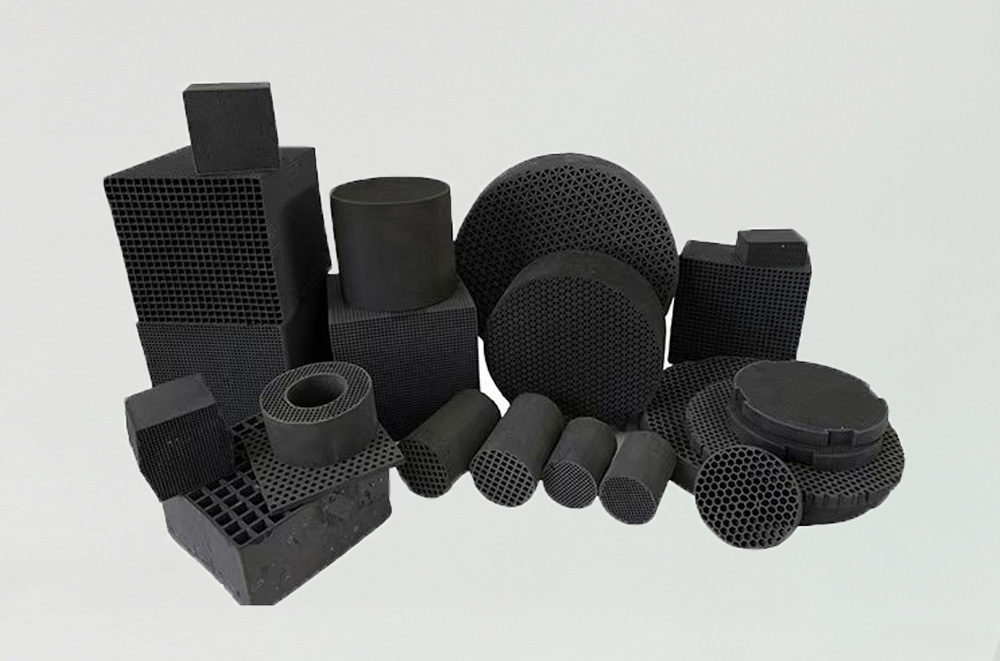
Alkali-impregnated activated carbon: Primarily impregnated with alkaline substances such as potassium hydroxide or sodium hydroxide, it is used to remove acidic gases such as hydrogen sulfide, hydrogen fluoride, and chlorine.
Metal-impregnated activated carbon: Metals or metal compounds such as copper, silver, and iodides are loaded onto activated carbon. It is used to adsorb toxic substances such as mercury vapor and radioactive iodine, and has important applications in the nuclear industry, the medical field, and the semiconductor industry.
The manufacturing process of activated carbon generally consists of two core steps: carbonization and activation.
Carbonization refers to heating raw materials—such as coconut shells, coal, or other carbon-rich materials—to about 300–600 °C under anaerobic or oxygen-deficient conditions. Under these conditions, volatile components such as moisture, organic gases, and tar are driven off, leaving behind a "carbonized material" mainly composed of carbon. This step is essentially a "dehydration and impurity removal" process, laying the foundation for subsequent activation.
Physical activation: Carbonized materials are exposed to high temperatures (typically 800–1000 °C), while steam or carbon dioxide is introduced. This causes selective oxidation of some carbon structures, effectively "carving" numerous micropores and mesopores within the carbon body. This method is environmentally friendly, leaves no chemical residues, and is one of the mainstream industrial processes today.
Chemical activation: The raw material is first soaked in chemical reagents such as phosphoric acid or potassium hydroxide, and then heated at a relatively low temperature. During heating, the chemicals help "open up" the pore structure while partially removing parts of the carbon skeleton, forming abundant pores. This method leads to faster pore development but requires thorough washing afterward to remove any chemical residues.
After activation, the material undergoes crushing, sieving, washing, and drying to produce granular, powdered, or pressed carbon suitable for different applications.
The core of activated carbon's effectiveness lies in "adsorption," not "absorption."
Adsorption is the process in which molecules are attached to a solid surface, like a small magnet sticking to a magnetic plate, whereas absorption is the process in which substances are taken up and distributed inside the material, like a sponge absorbing water. Activated carbon primarily functions through adsorption, which mainly occurs on the large internal surface of its pores.
On the surface of activated carbon, carbon atoms interact with pollutant molecules through van der Waals forces (intermolecular forces), which strongly attract many organic molecules, especially nonpolar or weakly polar compounds such as benzene, toluene, and chloroform. Furthermore, when the pore size closely matches that of the pollutant molecule, adsorption efficiency increases: small molecules preferentially enter micropores, larger molecules enter mesopores, and macropores act as "channels" that accelerate transport.
In simple terms, activated carbon is like a "microscopic, multifunctional magnetic field + maze," where pollutant molecules, once inside, are often firmly captured and held on the pore surface.
Activated carbon has a wide range of applications, which can be broadly categorized into three main areas: water treatment, air and gas purification, and industrial and environmental engineering.
In water treatment plants and industrial water treatment systems, activated carbon is commonly used to remove organic matter, odors, residual chlorine, and some pesticide residues, improving both the taste and safety of the water.
Household water purifiers, water filter jugs, and water filter faucets often use granular activated carbon or activated carbon filter cartridges specifically to remove residual chlorine, odors, and some organic compounds.
In air purifiers, fresh air systems, and air conditioning filters, activated carbon layers are commonly used to adsorb VOCs, smoke odors, kitchen fumes, and pet odors.
In industrial settings, activated carbon is used for waste gas deodorization, solvent recovery, removal of harmful gases such as SO₂ and H₂S from flue gas, and in personal protective equipment such as gas masks and gas filter canisters.
In gold ore extraction, activated carbon can adsorb gold ions from the solution; these can then be recovered through desorption, realizing the "activated carbon gold extraction" process.
In wastewater treatment plants, chemical plants, and the printing and dyeing industries, activated carbon is used to remove color, residual organic matter, and recalcitrant substances, helping facilities meet discharge standards.
An activated carbon filter cartridge or activated carbon filter is a device that encapsulates activated carbon in a specific structure, allowing it to fully contact the gas or liquid, achieving continuous purification.
An activated carbon filter cartridge or activated carbon filter is a device that encapsulates activated carbon in a specific structure, allowing the gas or liquid to contact the carbon fully and achieve continuous purification.
Structure of a typical activated carbon filter
Common household activated carbon filter cartridges typically include:
A shell (plastic or metal) that provides structural support;
An activated carbon layer (granular or pressed carbon) that serves as the core adsorption medium;
Optionally, layers of pre-filter PP cotton or post-filter membranes (such as RO membranes or antibacterial membranes) to intercept particulate matter and microorganisms, respectively, forming a "multi-stage filtration" system.
In industrial equipment, activated carbon filters often appear in a "tower" or "bed" structure, with gas or liquid passing through the carbon bed either from bottom to top or from top to bottom, ensuring sufficient contact time for effective adsorption.
The lifespan of an activated carbon filter depends on several factors:
The quality of the raw water or the level of air pollution: the higher the pollutant concentration, the faster adsorption saturation occurs;
The amount and pore structure of the activated carbon: larger quantities and better-developed porous structures generally lead to a longer service life;
Usage frequency and flow rate: prolonged full-load operation accelerates the exhaustion of the activated carbon.
Most manufacturers of household water purifiers or air purifiers specify a recommended replacement cycle (for example, every 3–6 months). Following such guidelines helps ensure effective adsorption and prevents the activated carbon from becoming saturated and potentially releasing previously adsorbed pollutants back into the stream.
Activated carbon has limited effectiveness against inorganic ions and highly polar small molecules, and cannot efficiently remove heavy metal ions or fluorides by itself. It usually needs to be combined with technologies such as ion exchange and reverse osmosis.
Its adsorption capacity gradually reaches saturation. If the activated carbon is not replaced or regenerated in time, pollutants may be released back into the stream, a phenomenon known as "breakthrough" or "desorption."
Some chemically impregnated activated carbon can pose a risk of secondary pollution. When using such products, it is important to pay attention to product compliance, certification, and safety instructions.
Therefore, activated carbon is most often used as an auxiliary purification step, commonly combined with technologies such as precipitation, filtration, oxidation, and membrane separation to form a more complete and robust purification system.
When choosing the right activated carbon in China, several key dimensions should be considered:
For drinking water and household applications: coconut-shell activated carbon is often preferred because of its rich micropores and stable adsorption performance, making it suitable for removing small-molecule organic matter and odors.
For industrial high-flow or cost-sensitive systems: coal-based activated carbon is more economical and suitable for treating large volumes of industrial wastewater or gas.
For decolorization of macromolecules in printing, dyeing, and papermaking industries: wood-based or bamboo-based activated carbon—with a relatively high proportion of mesopores—is better suited for macromolecule diffusion and adsorption.
Continuous liquid treatment: granular activated carbon (GAC) or pressed activated carbon is commonly used to ensure low pressure drop and stable flow rate.
Emergency or batch liquid treatment: powdered activated carbon (PAC) can be used for rapid dosing and adsorption.
Air purification and protective equipment: activated carbon cloth, fibers, or pressed activated carbon granules can be used to balance adsorption efficiency and airflow resistance, ensuring both effective pollutant removal and acceptable pressure drop.
For specific application scenarios—such as household water purifiers, flue gas deodorization, or hospital air purification—the appropriate raw material type, physical form, and technical specifications can be selected based on pollutant type, flow rate, pressure, and space constraints, so that activated carbon achieves its optimal purification effect.