English
 français
 Deutsch
 Español
 português
 العربية
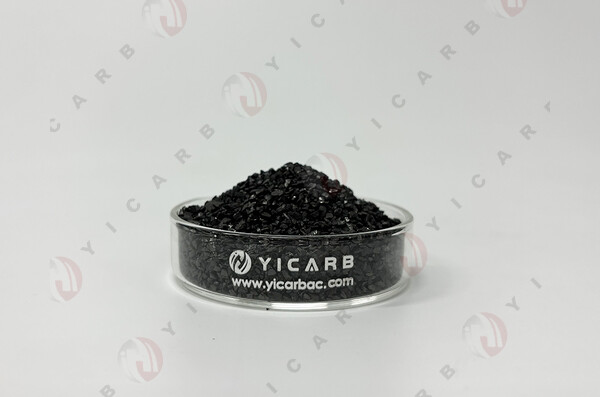
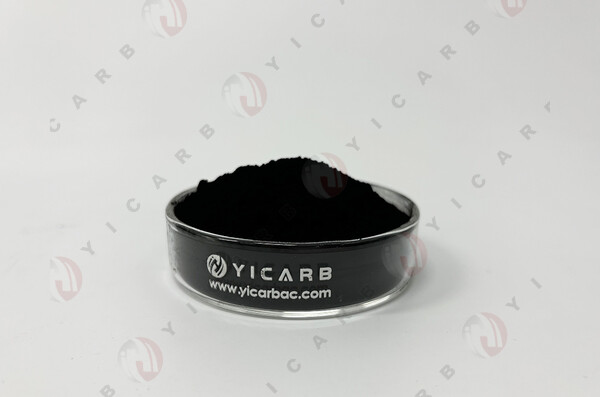
Activated carbon, an excellent adsorbent, is produced through a series of processes including crushing, screening, catalyst activation, rinsing, drying, and sifting using raw materials such as charcoal, various nut shells, and high-quality coal. It possesses both physical and chemical adsorption properties, allowing it to selectively adsorb various substances in gas and liquid phases for purposes such as decolorization, purification, disinfection, deodorization, and contaminant removal. Due to its outstanding characteristics as an adsorbent, activated carbon is widely used in various fields including industry, agriculture, national defense, technology, and daily life, becoming an indispensable material for the national economy. Activated carbon applications can be categorized into the following aspects:
Purification and Recovery of Waste Gases: Used to purify harmful gases emitted from industrial processes, such as desulfurization of waste flue gas, and to recover volatile solvents like acetone, esters, benzene, and gasoline;
Protection Against Toxic and Harmful Gases: Used in the production of gas masks and textiles that protect against radioactive materials in both national defense and civilian industries;
Applications in Atomic Energy Facilities: Used to capture and remove leaked radioactive materials;
Other Uses: Filling gas cylinders with activated carbon to increase gas storage capacity and filtering nicotine in cigarette filters.
Food Industry: Used for the decolorization and purification of glucose, maltose, monosodium glutamate, oils, and alcohols, removing pigments, colloids, and other impurities;
Pharmaceutical Industry: Used in antibiotics, antipyretics, vitamins, and injectable medications to remove pigments and impurities;
Chemical Industry: Applied to various organic and inorganic chemicals, such as esters, phenols, citric acid, and oxalic acid, for decolorization and purification;
Environmental Protection: Used in water purification and wastewater treatment;
Other Uses: Recovering precious metals like gold, silver, and palladium in the metallurgical industry.
Activated carbon itself has various catalytic activities and can be used as a catalyst alone in chemical reactions such as halogenation, oxidative dehydrogenation, etc. It is also an excellent catalyst support, used in reactions like vinyl acetate synthesis, halogenation, oxidation, and polymerization.
Activated carbon is used as an external medicine for treating sore ulcers and infected wounds. It can also be used internally to treat diarrhea. Activated carbon can adsorb viruses, bacterial toxins, and drugs, making it useful for treating patients with poisoning or overdose.
When applied to soil, activated carbon can promote nitrogen fixation and remove pesticide toxicity to crops. Additionally, it is used in the production of zinc-air battery electrodes.