English
 français
 Deutsch
 Español
 português
 العربية
The process of refining edible oils to ensure their purity and safety involves several critical steps, one of the most important being filtration. Edible oil activated carbon plays a key role in this process, particularly in removing impurities, decolorizing, and deodorizing oils to make them suitable for consumption. However, to maximize the effectiveness of activated carbon in edible oil filtration, it is crucial to optimize its use. This article will explore best practices for utilizing activated carbon in edible oil refining, ensuring maximum efficiency and product quality.

Edible oil activated carbon is primarily used in the refining process for decolorization, deodorization, and the removal of impurities such as heavy metals, residual solvents, and organic compounds. Its highly porous surface and large surface area allow it to adsorb unwanted particles and chemicals from the oil, improving both its quality and safety. To optimize the use of activated carbon in edible oil filtration, it is essential to understand the properties of the carbon, the types of contaminants it can remove, and the overall process of filtration.
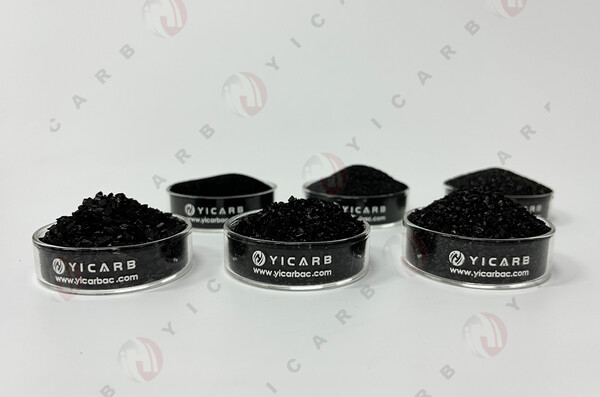
The first step in optimizing activated carbon usage is selecting the right type of activated carbon for the job. Coconut shell-based activated carbon, for example, is often preferred for its superior adsorption capacity and high surface area, making it especially effective in removing color and odors from edible oils. It's crucial to select the appropriate grade of activated carbon based on the specific requirements of the oil being refined, whether it's palm oil, sunflower oil, or soybean oil.
One of the best practices in optimizing activated carbon usage is ensuring the correct dosage is applied during the filtration process. The amount of activated carbon needed depends on various factors, such as the type of oil being refined, the level of impurities, and the desired outcome in terms of color and odor removal. Using too little activated carbon may lead to incomplete purification, while using too much can result in unnecessary waste and inefficiencies in the process.
To determine the optimal amount of edible oil activated carbon, a small-scale trial run is often recommended. This allows operators to gauge how much activated carbon is needed to achieve the desired level of impurity removal without overusing the material. Additionally, regular monitoring of the filtration process helps in adjusting the dosage as required, ensuring that activated carbon is always used at its most effective level.
In addition to dosage, another important factor in optimizing activated carbon for edible oil is controlling the filtration time and temperature. The efficiency of adsorption is not only affected by the amount of activated carbon but also by the conditions under which the filtration process occurs. Filtration time and temperature must be optimized to ensure that the activated carbon has sufficient time to interact with the oil and adsorb impurities effectively.
In most cases, edible oil activated carbon performs best when the filtration process is conducted at moderate temperatures. High temperatures can cause the carbon to become less effective by reducing its ability to adsorb contaminants. On the other hand, very low temperatures can increase the viscosity of the oil, making it harder for the carbon to function properly. Maintaining a balance between time and temperature ensures that the carbon remains effective in removing unwanted substances while preserving the quality of the oil.
For optimal results in edible oil filtration, it is essential to regularly monitor the performance of the activated carbon and replace it when it becomes saturated with contaminants. Activated carbon has a finite capacity for adsorbing impurities, and over time, it will lose its effectiveness. Using spent or saturated carbon can lead to incomplete filtration, compromising the quality of the refined oil.
To optimize the usage of activated carbon over time, a regular maintenance schedule should be implemented. This includes checking the carbon's adsorption capacity and replacing it when necessary. In some cases, the spent carbon can be regenerated through thermal treatment, allowing it to be reused in the filtration process. However, this depends on the level of contamination and the specific properties of the carbon. Regenerating activated carbon can reduce costs and minimize waste, further enhancing the sustainability of the filtration process.
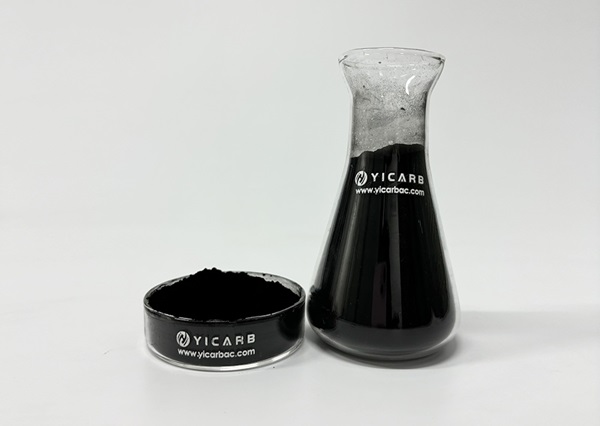
Once the filtration process is complete, it is essential to ensure that the edible oil meets the necessary quality standards. Post-filtration handling plays a crucial role in maintaining the purity of the oil and ensuring that no contaminants remain in the final product. A thorough inspection and quality control process should be implemented, including tests for clarity, odor, and flavor. Additionally, the oil should be tested for any residual impurities that may not have been fully removed during the filtration process.
Activated carbon filtration is often used in conjunction with other purification methods such as clay filtration or centrifugation. Combining multiple methods can help achieve a higher level of purity and ensure that the oil meets industry standards. After filtration, the oil should be stored in clean, sealed containers to prevent contamination and preserve its quality until it is ready for distribution.
Optimizing the use of edible oil activated carbon is essential to ensure the best possible results in oil refining. By selecting the appropriate type of activated carbon, ensuring the correct dosage, controlling filtration time and temperature, and regularly monitoring and replacing the carbon, operators can achieve high-quality purified oils that meet safety standards and consumer expectations. Best practices in activated carbon usage help improve the overall efficiency of the filtration process, reduce waste, and enhance the sustainability of edible oil production. With careful attention to these practices, the refining process can achieve optimal results, ensuring that the final product is free from contaminants and suitable for consumption.