en
 English
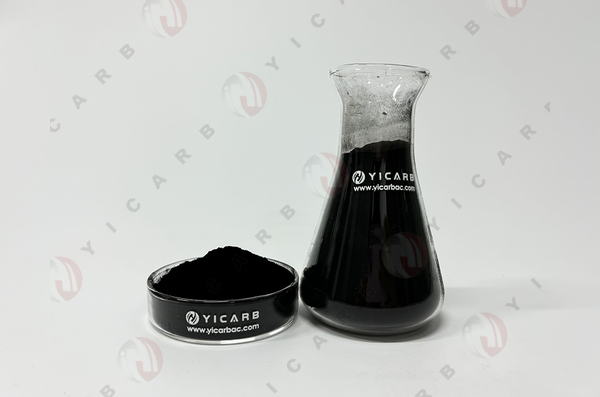
Activated carbon is a functional carbon material widely used in industrial, civilian, and defense production. Since its industrialization in the United Kingdom in the early 20th century, the activated carbon industry has undergone nearly a century of development. The main applications of activated carbon include its use as an adsorbent in food processing, water treatment, and metallurgy, as well as a catalyst and activator carrier in chemical and pharmaceutical production. In recent years, with advancements in new materials and biomedical fields, activated carbon is expected to expand into new applications in frontier areas such as energy storage, natural gas recovery, and blood purification.
Activated carbon features a highly developed internal pore structure, a vast specific surface area, and abundant surface groups,Activated carbon features a highly developed internal pore structure, a vast specific surface area, and abundant surface groups, endowing it with excellent adsorption properties.,enabling it to achieve deodorization, decolorization, refinement, and purification. As a result, it has become an irreplaceable mainstream adsorbent in many fields. Compared to other types of adsorbent materials, the advantages of activated carbon are mainly reflected in four aspects: first, it has a wide adsorption range and excellent adsorption performance; second, it exhibits stable physical and chemical properties, high strength, and adaptability to various working environments; third, it is flexible to use, and its production process is relatively simple; fourth, it has high utilization efficiency and can be recycled.
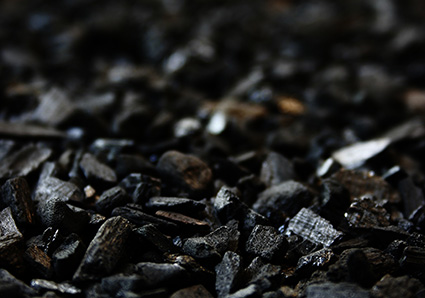
Activated carbon products can be classified based on preparation methods, working environments, and manufacturing raw materials. According to preparation methods, activated carbon can be divided into physically prepared activated carbon and chemically prepared activated carbon. Physically prepared activated carbon is produced through processes such as high-temperature and high-pressure treatment, carbonization, and activation of carbon materials, while chemically prepared activated carbon is mainly produced through physicochemical reactions between carbon materials and substances like phosphoric acid. Based on working environments, activated carbon can be categorized into liquid-phase adsorption and gas-phase adsorption activated carbon, distinguished by the physical form of their working media. According to manufacturing raw materials, activated carbon can be classified into coal-based and wood-based types. Coal-based activated carbon primarily uses anthracite and coal tar as raw materials, while wood-based activated carbon mainly uses wood chips, nut shells, and phosphoric acid. Generally, coal-based activated carbon is prepared by physical methods, while wood-based activated carbon is prepared by chemical methods. Due to the differences in performance and production processes between coal-based and wood-based activated carbon, their applicable working environments also differ.
The superior application characteristics and economic efficiency of activated carbon production make it an irreplaceable product across various industries. Its main application fields cover food and beverage, chemicals, metallurgy, light textile, water treatment, pharmaceuticals, and many other industries. In recent years, as environmental protection and energy conservation have become core concepts in economic and social development, the application value of activated carbon in water treatment, air pollution prevention, and other fields has become increasingly prominent. Furthermore, with technological advancements in new materials and medical science, the gradual expansion of activated carbon's applications in energy storage, natural gas recovery, and blood purification will inject new vitality into the industry's future prospects.