English
 français
 Deutsch
 Español
 português
 العربية
Activated carbon is widely recognized for its ability to purify and filter air, water, and other substances, making it an indispensable material in various industries. There are several types of activated carbon, each with unique properties suited for different applications. However, coconut carbon powder, derived from coconut shells, has gained a prominent place in the market due to its superior qualities. This article explores the reasons why coconut shell based activated carbon is considered one of the best types of activated carbon available, especially for purification and filtration purposes.
One of the primary reasons why coconut carbon powder stands out among other types of activated carbon is its exceptionally high adsorption capacity. Activated carbon works through a process known as adsorption, where contaminants adhere to the surface of the carbon. Coconut shell based activated carbon has a highly developed microporous structure, which results in a larger surface area per gram compared to other types of activated carbon. This large surface area allows coconut shell carbon to adsorb a greater volume of impurities, making it highly effective in removing unwanted substances from air, water, and other materials.
Whether it's removing chlorine, heavy metals, organic compounds, or volatile organic compounds (VOCs), coconut shell-based powdered activated carbon is known for its excellent ability to trap and remove these contaminants, making it ideal for water treatment, air filtration, and chemical purification processes. The high efficiency of coconut shell carbon ensures that it can handle demanding filtration tasks with greater effectiveness and longevity compared to other sources of activated carbon, such as coal or wood.
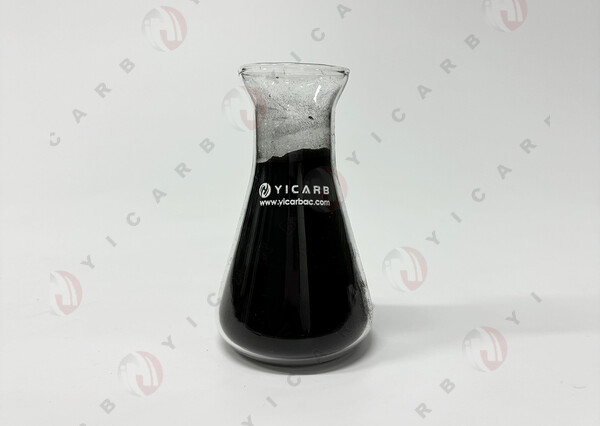
Coconut shell based activated carbon is not only efficient but also environmentally friendly, contributing to sustainable practices in many industries. Coconut shells are a natural byproduct of coconut farming, which means that they are renewable and biodegradable. Using coconut shells to produce activated carbon reduces waste and makes better use of this otherwise discarded material, promoting a more sustainable production process.
Additionally, the process of creating coconut carbon powder is generally considered more eco-friendly compared to using other raw materials like coal, as it requires less energy and produces fewer pollutants. As industries and consumers alike continue to demand more sustainable solutions, coconut shell based activated carbon offers an excellent alternative that supports environmental responsibility while maintaining high-performance standards.
One of the primary uses of coconut shell based activated carbon is in water treatment. Water purification systems rely on activated carbon to remove chlorine, sediment, organic compounds, and other impurities. Coconut carbon powder is highly effective in improving water quality by removing contaminants that may affect the taste, odor, and overall safety of drinking water.
Because of its large surface area and high adsorption capacity, coconut shell carbon is particularly effective in situations where high-purity water is needed, such as in industrial water treatment, drinking water filtration, and wastewater treatment. Its ability to handle large volumes of contaminants makes it ideal for municipal water treatment plants, providing cleaner, safer water for communities.
In addition, coconut shell based activated carbon is also used in home water filters and portable water purifiers, ensuring that households can access clean, safe drinking water. The versatility of coconut shell carbon makes it a popular choice for a wide range of water filtration applications, where performance and safety are crucial.
In air filtration, coconut shell based activated carbon is equally effective. Its microporous structure allows it to adsorb gases and VOCs (volatile organic compounds) from the air, making it a preferred material for air purifiers, industrial air filtration systems, and even personal protective equipment like gas masks. Coconut carbon powder is also commonly used in HVAC systems to remove odors and improve air quality in homes, offices, and commercial spaces.
The superior adsorptive properties of coconut shell based activated carbon make it ideal for applications that require the removal of particulate matter, chemicals, and odors. Whether it's eliminating cigarette smoke, industrial fumes, or household odors, coconut shell carbon is effective at ensuring that the air remains fresh and clean. This makes it particularly useful in settings such as restaurants, hospitals, factories, and even in the automotive industry to maintain cabin air quality.
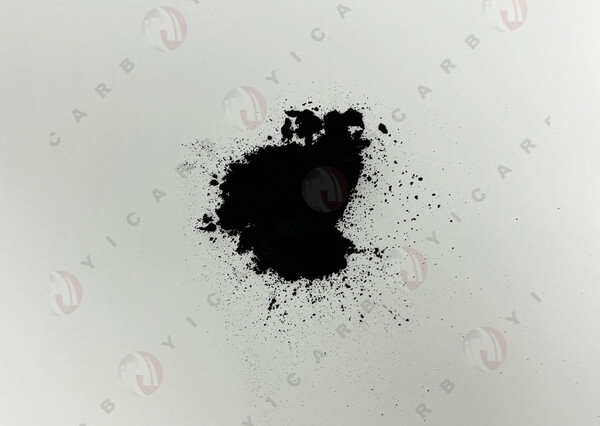
The popularity of coconut carbon powder in various industries is due to a combination of factors that make it a superior choice over other types of activated carbon. Its high adsorption capacity, sustainability, and versatility in both water and air purification are just a few of the reasons it is chosen over other types of activated carbon made from wood or coal.
In the pharmaceutical and food industries, coconut shell based activated carbon is used for decolorization and purification, particularly in the production of sugars, oils, and beverages. Its natural properties and high effectiveness ensure that it meets strict regulatory standards while keeping products free from unwanted impurities. Additionally, the ability to regenerate coconut shell carbon for reuse adds to its long-term value in industrial applications.
As more industries adopt sustainability practices, coconut shell based activated carbon provides a sustainable, high-performance option that meets both environmental and operational needs. Its versatility across various filtration and purification processes, combined with its eco-friendly production and regeneration capabilities, ensures that coconut carbon powder will continue to stand out as the go-to choice for many industries.
Coconut shell based activated carbon offers a range of benefits that make it an outstanding choice in the world of activated carbon. Its high adsorption capacity, environmental sustainability, and effectiveness in water and air purification processes make it the preferred material for industries ranging from water treatment and air filtration to chemical processing and food production. With its proven ability to perform at the highest levels while maintaining eco-friendly attributes, coconut carbon powder continues to be a top contender in the activated carbon market, standing out for its versatility, reliability, and positive environmental impact.