English
 français
 Deutsch
 Español
 português
 العربية
Clean water is the lifeline of industrial excellence and environmental compliance. For engineers, plant managers, and procurement officers, the critical question is not just "if" it works, but how to optimize activated carbon selection for specific molecular weights and flow conditions. This guide breaks down the physics of adsorption and the technical parameters that define high-performance filtration media.
To understand how activated carbon (AC) functions, one must distinguish between absorption (filling a volume, like a sponge) and adsorption (surface-level molecular adhesion).
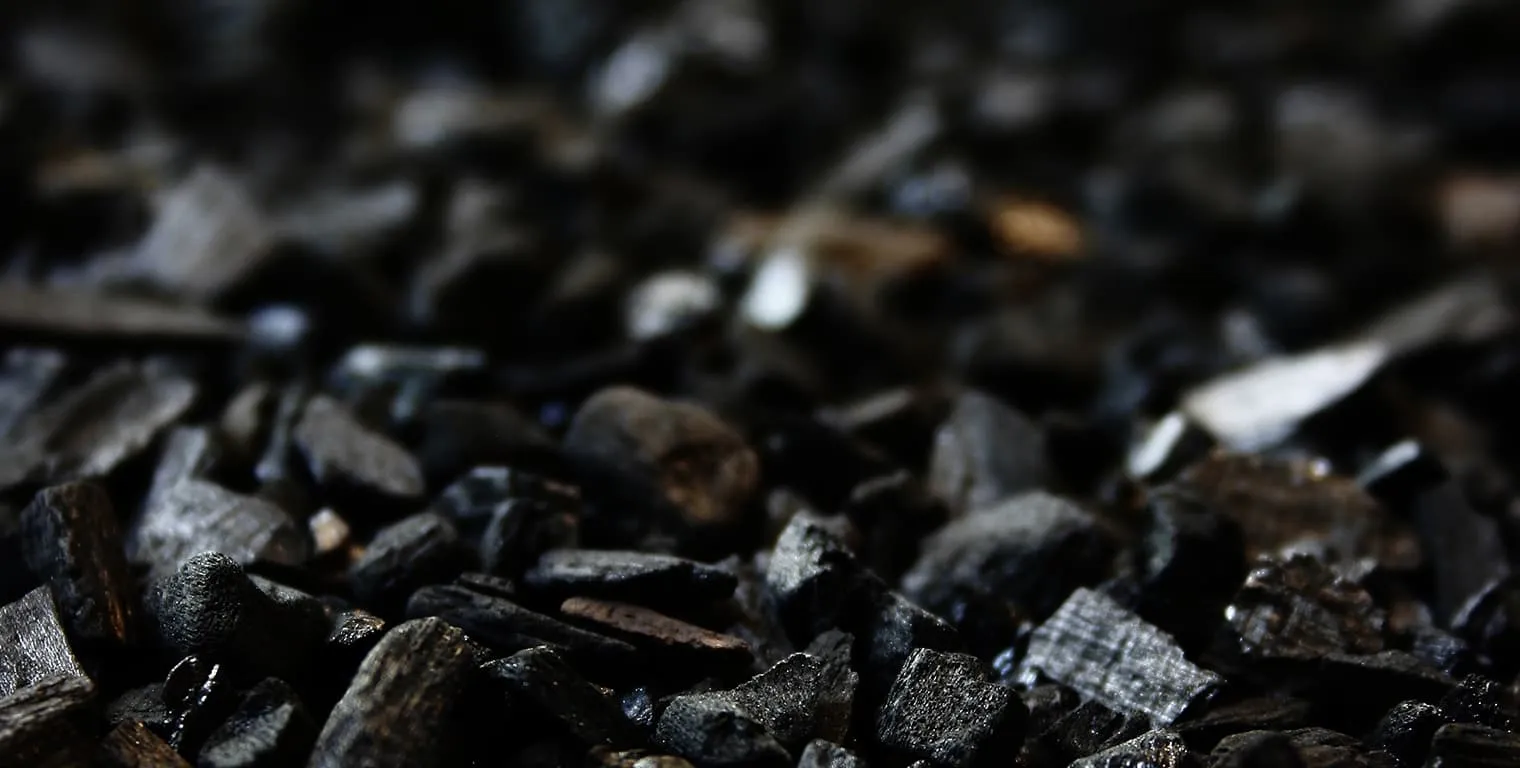
Activated carbon works through Van der Waals forces. During the activation process—using steam or chemical agents at temperatures up to 1,000°C—a vast internal architecture of micro, meso, and macro-pores is created.
Surface Area Power: High-grade activated carbon typically offers a specific surface area of 1,000 to 1,200 m²/g.
Pore Dynamics: Micropores (<2nm) are ideal for trace gas and small organic removal, while mesopores (2-50nm) are essential for larger color-forming molecules and COD reduction.
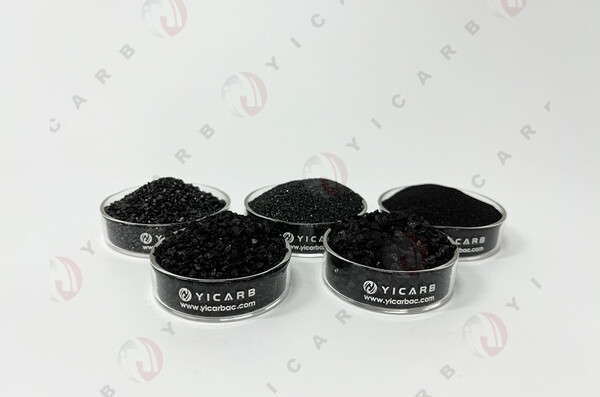
In large-scale municipal and industrial wastewater treatment, Coal-Based GAC is favored for its density and balanced pore distribution. At YICARBAC, we ensure our GAC meets rigorous technical benchmarks:
Technical Spec: Iodine Value typically ranges from 900 mg/g to 1,100 mg/g (tested per ASTM D4607), indicating superior micropore volume.
Durability: A high Hardness Number (95%+) ensures the media withstands repeated backwashing cycles without significant attrition.
Application: Best for removing Pesticides, VOCs (Volatile Organic Compounds), and Total Organic Carbon (TOC) from high-volume streams.
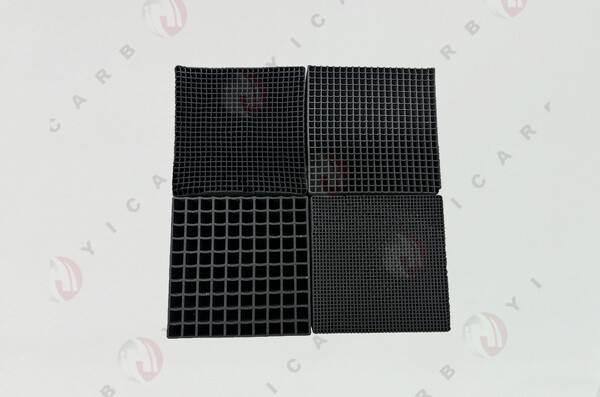
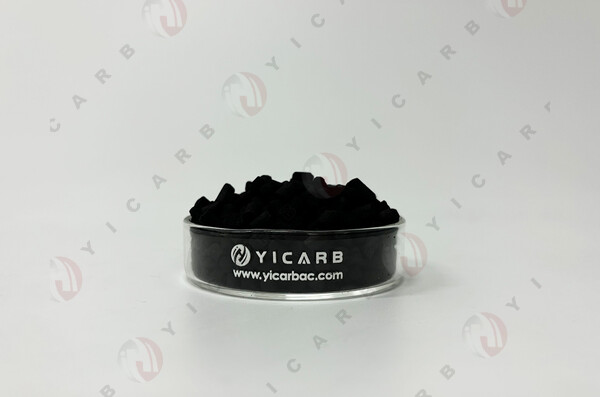
When system pressure drop is a concern, Columnar Activated Carbon offers a mechanical edge. Its uniform cylindrical shape is engineered for specific liquid-phase and gas-phase interactions.
Low Pressure Drop: The consistent geometry reduces energy consumption for pumps by allowing a predictable flow path.
Abrasion Resistance: Unlike irregular granules, pellets resist "fines" generation, keeping the effluent clear and reducing downstream membrane fouling.
Standards Compliance: Our pelletized carbon is manufactured to meet NSF/ANSI 61 standards, ensuring safety for drinking water applications.
In specialized sectors like oil & gas or heavy machinery, traditional coal-based carbon can succumb to "oil fouling." This is where Walnut Shell Activated Carbon excels.
Field Insight: Walnut shell media is naturally oleophobic (oil-repelling) yet highly effective at intercepting suspended solids and emulsified oils.
Physical Strength: With a Mohs hardness of 3.0-4.0, it can be backwashed at higher velocities than most wood-based carbons, making it the most cost-effective solution for deep-bed filtration in refinery wastewater.
Carbon Type | Typical Iodine Value (mg/g) | Primary Pore Structure | Best For... | Key Standard |
Coal-Based GAC | 900 - 1100 | Balanced (Micro/Meso) | TOC & Pesticide Removal | ASTM D4607 |
Columnar (Pellet) | 800 - 1050 | Direct Flow | Chlorine & Odor Control | NSF/ANSI 61 |
Walnut Shell AC | N/A (Hardness focus) | Macro/Mechanical | Oil & Suspended Solids | ISO 9001 Mfg |
In a recent project for a chemical processing plant, the influent COD (Chemical Oxygen Demand) was 150 mg/L—exceeding local discharge limits. By implementing a dual-stage system using YICARB Columnar Carbon followed by High-Iodine GAC, the plant achieved:
92% reduction in COD (down to <12 mg/L).
20% extension in media lifespan compared to standard irregular granules.
Full compliance with environmental discharge regulations.
Selecting activated carbon is a precision engineering task. By balancing chemical adsorption capacity (Iodine value) with mechanical performance (Hardness and Shape), industries can significantly lower their Total Cost of Ownership (TCO).
At YICARB, we combine decades of manufacturing experience with rigorous lab testing to provide media that doesn't just filter water—it protects your infrastructure. Contact our engineering team today for a custom pore-size analysis for your facility.
This is the last one.