English
 français
 Deutsch
 Español
 português
 العربية
From Industrial Effluent Polishing to Municipal Micropollutant Removal
Date: July 23rd, 2026
Author: Yicarb Technical Expert
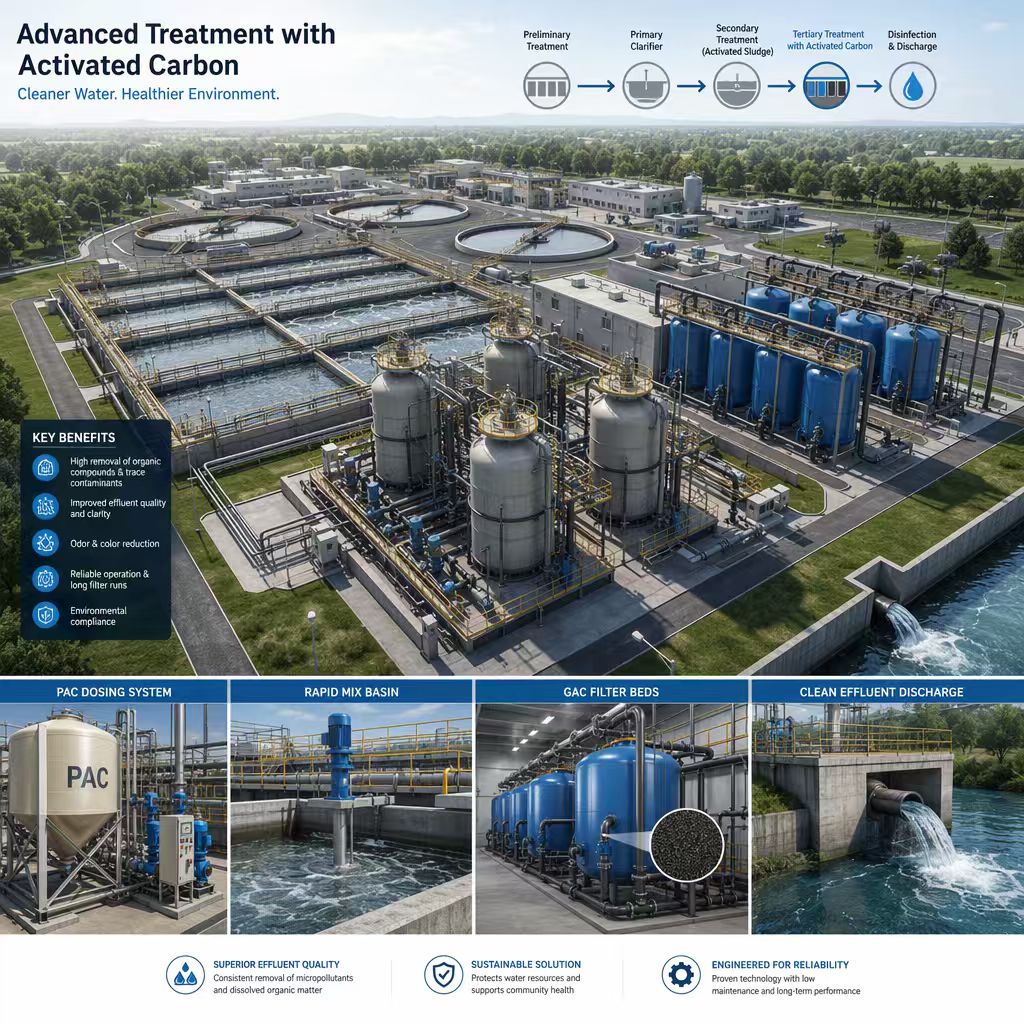
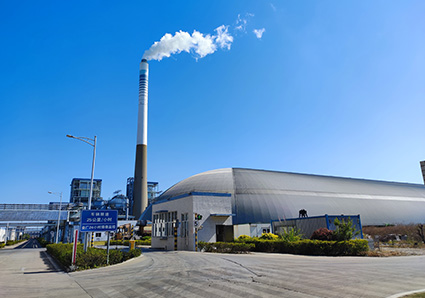
Figure 1: Municipal wastewater treatment plant with activated carbon tertiary treatment stage.
Abstract: As global wastewater discharge regulations tighten—driven by the EU Water Framework Directive, US EPA effluent limitation guidelines, and emerging micropollutant concerns across Asia—conventional biological treatment is no longer sufficient. Activated carbon, in both powdered (PAC) and granular (GAC) forms, has emerged as the leading polishing technology for removing recalcitrant COD, pharmaceutical residues, industrial colorants, and trace organic contaminants from secondary effluent. This technical brief examines the engineering principles of carbon-based wastewater polishing and presents two full-scale case studies demonstrating measurable compliance and cost outcomes.
Conventional activated sludge processes excel at removing biodegradable organic matter (BOD), but they leave behind a complex mixture of substances that resist biological breakdown:
Recalcitrant COD: Soluble microbial products, humic substances, and synthetic organics that persist through secondary treatment, typically accounting for 30–80 mg/L of residual COD.
Micropollutants: Pharmaceutical active ingredients (APIs), endocrine-disrupting compounds (EDCs), pesticides, and personal care products measured in ng/L to μg/L that pose ecological and human health risks.
Industrial Colorants: Synthetic dyes and pigments from textile, paper, and food processing that pass through biological treatment unchanged.
Aquatic Toxicity: Substances that inhibit aquatic organisms even at trace concentrations, requiring whole-effluent toxicity (WET) testing compliance.
Activated carbon addresses these challenges through adsorption—capturing dissolved organic molecules within its vast internal pore network. Unlike biological treatment, which is selective, carbon adsorption is broad-spectrum: a single GAC contactor can simultaneously remove pharmaceuticals, colorants, pesticides, and disinfection by-product precursors.
The choice between powdered activated carbon (PAC) and granular activated carbon (GAC) depends on the treatment objective, existing infrastructure, and operating cost tolerance:
Parameter | PAC (Powdered) | GAC (Granular) |
Particle Size | < 0.18 mm (typically 80% passing 325 mesh) | 0.4–2.4 mm (12×40 or 8×30 mesh) |
Application | Batch dosing into aeration basin or contact tank | Fixed-bed columns downstream of secondary clarifier |
Contact Time | Minutes to hours (suspended in mixed liquor) | 10–30 min EBCT in packed bed |
Regeneration | Single-use (disposed with waste sludge) | Thermally regenerated (8–12 cycles) |
Best For | Seasonal/discharge permit exceedances, shock loads | Continuous polishing, micropollutant compliance |
Operating Cost | Low CAPEX, higher OPEX (fresh carbon each dose) | Higher CAPEX, lower long-term OPEX (regeneration) |
YICARB provides both PAC and GAC solutions, including reactivation services that reduce the lifecycle cost of GAC by up to 40% compared to single-use disposal.
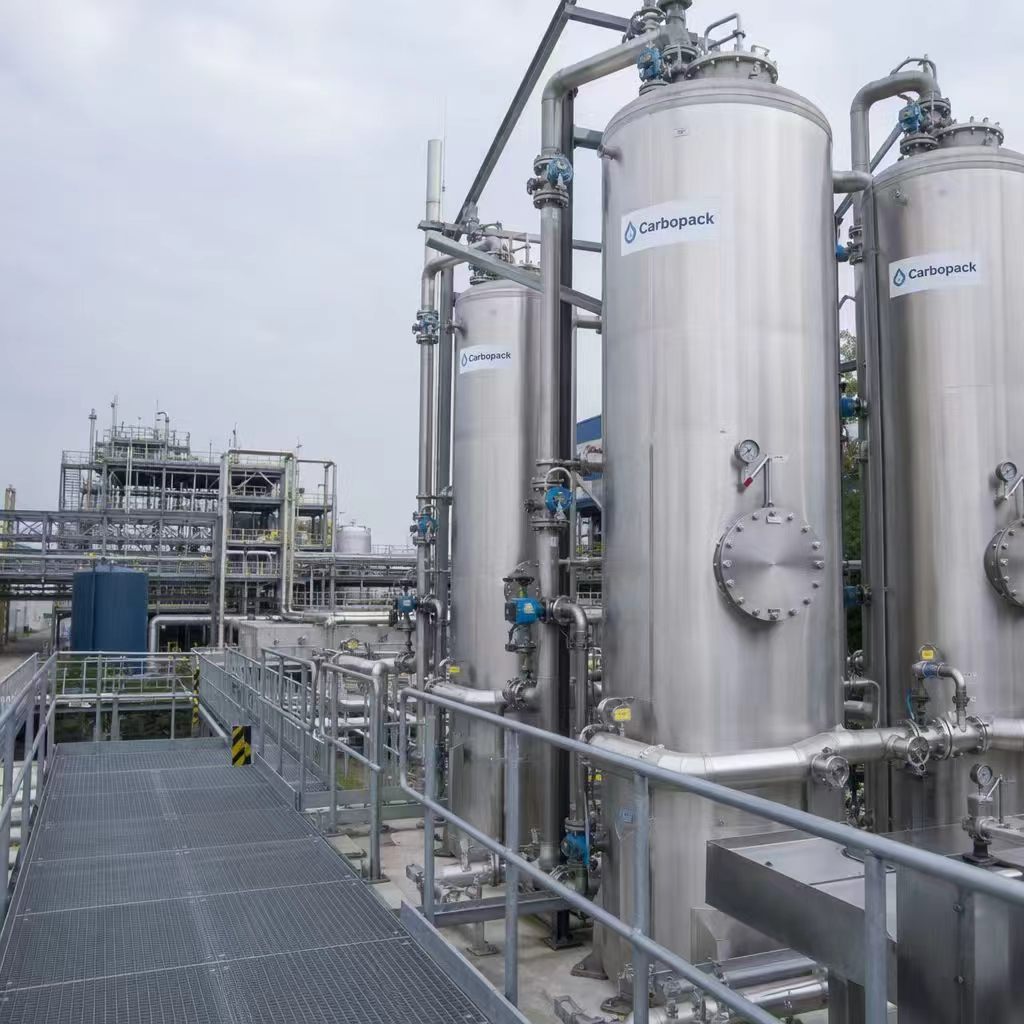
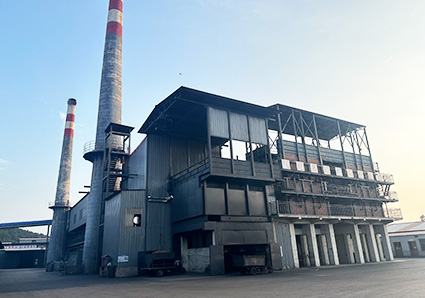
Figure 2: Pharmaceutical wastewater treatment facility in Germany employing GAC adsorption for API removal.
Operational Challenge: A contract manufacturing organization (CMO) producing generic APIs in Baden-Württemberg discharged 350 m³/day of process wastewater to the municipal sewer. Despite on-site biological treatment (MBR), effluent contained detectable levels of six pharmaceutical compounds—including diclofenac (2.8 μg/L), carbamazepine (1.6 μg/L), and metformin (12.4 μg/L)—that exceeded the site’s updated discharge permit under the EU Water Framework Directive’s watch-list requirements. The local wastewater utility threatened to revoke the indirect discharge permit unless the CMO installed tertiary treatment within 12 months.
The YICARB Solution: We designed and supplied YICARB PharmaGuard GAC (8×30 mesh, Iodine 1050 mg/g, Coconut Shell) in two parallel 5 m³ fixed-bed adsorbers with 20-minute EBCT. The coconut shell carbon’s high microporosity was specifically selected for capturing small-molecule APIs in the 150–400 Dalton range. A rapid small-scale column test (RSSCT) conducted at YICARB’s application laboratory confirmed bed life of 9 months at design flow. The system included online UV254 monitoring for real-time organic breakthrough detection.
Results: All six monitored pharmaceutical compounds were reduced below their respective detection limits (< 0.01 μg/L) across two years of continuous operation. Overall COD removal across the GAC stage averaged 78%, with effluent COD of 18–25 mg/L from an inlet of 95–110 mg/L. The spent carbon was returned to YICARB for thermal reactivation, with regenerated carbon achieving 94% of virgin iodine number. The CMO secured a renewed 10-year discharge permit and was recognized by the Baden-Württemberg Environmental Ministry for best available technology implementation.
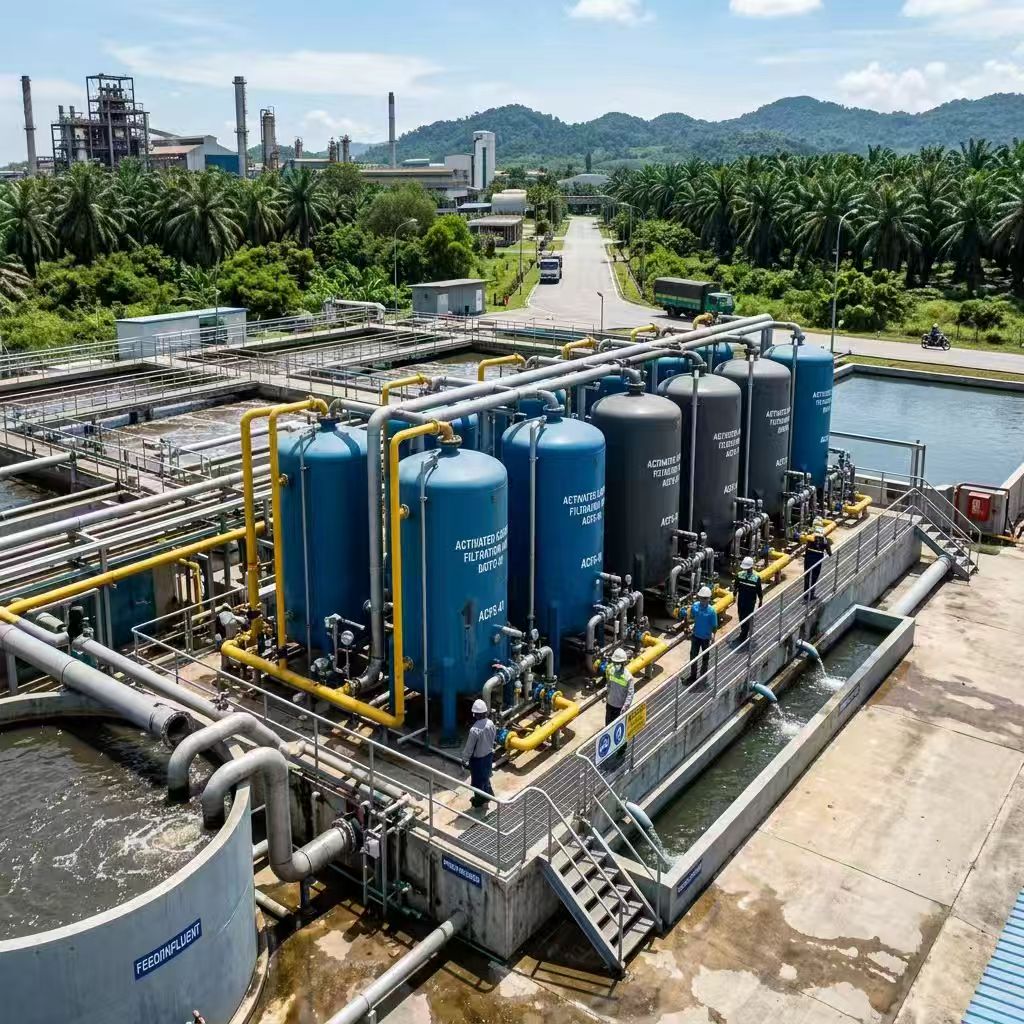
Figure 3: Centralized wastewater treatment facility in Rayong, Thailand, treating mixed industrial effluent with PAC/GAC.
Operational Challenge: A centralized effluent treatment plant (CETP) serving 40+ factories in Thailand’s Rayong industrial province—including textile dyeing, food processing, and electroplating operations—treated 12,000 m³/day of mixed industrial wastewater. The existing treatment train (equalization → chemical coagulation → activated sludge → secondary clarification) produced effluent with COD of 180–220 mg/L and Pt-Co color of 120–160 units. Thailand’s Industrial Estate Authority of Thailand (IEAT) tightened the discharge standard to COD < 80 mg/L and color < 30 Pt-Co units—effective within 18 months.
The YICARB Solution: We implemented a two-stage carbon strategy. Stage one deployed YICARB ColorGuard PAC (Methylene Blue 16 mL/0.1g) at 25 mg/L into the existing aeration basin, directly addressing the color bodies from textile dyes. Stage two installed four YICARB AquaGuard GAC adsorbers (coal-based, 8×30 mesh, 12 m³ each) in parallel for COD polishing. The combined PAC + GAC approach ensured that color was removed upstream, protecting the GAC beds from premature fouling by high-molecular-weight colorants that would otherwise block micropore access.
Results: Effluent COD stabilized at 48–62 mg/L (65% reduction from baseline) and color at 8–14 Pt-Co units—both comfortably within the new IEAT standards. The PAC dosing rate was seasonally adjusted (15–35 mg/L) based on real-time color monitoring, optimizing consumption during low-load periods. GAC bed life reached 11 months before the first change-out. The CETP operator reported that the carbon system paid for itself within 14 months through avoided non-compliance penalties (which would have been USD 12,000/month) and reduced freshwater charges for in-park reuse. Annual operational savings were estimated at USD 168,000.
The two case studies—one from Germany’s tightly regulated pharmaceutical sector and one from Thailand’s diverse industrial landscape—illustrate a universal truth: activated carbon is the most reliable, scalable, and regulator-accepted technology for achieving advanced wastewater treatment targets. Whether removing trace pharmaceuticals at the nanogram level or reducing visible color from textile effluent, the underlying engineering principle remains the same: match the carbon’s pore architecture and physical form to the contaminant profile and hydraulic conditions.
YICARB’s full-service approach—from RSSCT laboratory testing through on-site commissioning and spent carbon reactivation—ensures that wastewater treatment plants achieve compliance on time and on budget, with a predictable total cost of ownership.
As regulations continue to tighten worldwide, the question is not whether your plant will need activated carbon, but when. The plants that plan ahead—with engineered carbon solutions, not commodity purchases—will be the ones that turn a regulatory burden into an operational advantage.
This is the first one.